Showing posts with label peyton manning. Show all posts

Friday, November 25, 2022

November 25, 2001: Don't Talk to Jim Mora About Playoffs

November 25, 2001: The Indianapolis Colts lose to the San Francisco 49ers, 40-21 at the RCA Dome in Indianapolis. It's the team's 3rd straight loss, and they fall 4-6.

The Colts' coach, Jim Mora is rightly upset. He was 66 years old, a football lifer, from the Los Angeles area. He'd been the head coach at Occidental College in L.A., and served on Dick Vermeil's staff at UCLA and Don James' staff at Washington. He coached the Philadelphia/Baltimore Stars to all 3 USFL Championship Games, winning 2 of them. He coached the New Orleans Saints for 11 seasons, including the franchise's 1st 4 Playoff berths. He was now in his 4th season as head man in Indianapolis, having made the Playoffs the preceding 2 years.

He had seen it all. He now acted like he'd seen enough, and launched into one of the press conference tirades he was known for occasionally giving:

Well, I'll start off by saying this: Do not blame that game on the defense, okay? I don't care who you play, whether it's a high school team, a junior college team, a college team, much less an NFL team: When you turn the ball over 5 times, 4 interceptions, 1 for a touchdown, 3 others in field position to set up touchdowns, you ain't gonna beat anybody I just talked about, anybody. All right?

And that was a disgraceful performance in my opinion. We threw that game. We gave it away by doing that. We gave 'em the friggin' game. In my opinion, that sucked.

Uh, you know, you can't turn the ball over 5 times like that. Holy crap, I don't know who the hell we think we are, when we do something like that. Unbelievable. Five turnovers. One of 'em for -- We threw 4 interceptions for touchdowns this year. That might be an NFL record. That's pitiful. I mean, it's absolutely pitiful, to perform like that. Pitiful.

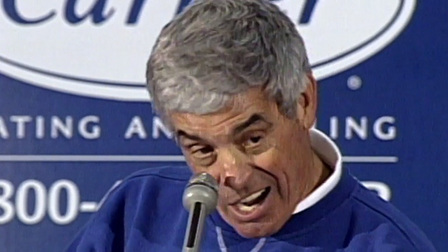
At this point, Tim Bragg of WRTV-Channel 6, the ABC affiliate in Indianapolis, asked Mora if he thought his team could still make the Playoffs. His response might be the most famous coach's press conference rant of all time:

What's that? Ah -- Playoffs? Don't talk about -- Playoffs? You kiddin' me? Playoffs? I just hope we can win a game! Another game!"

Mora was right to worry: The Colts won only 2 of their last 6 games, finishing 6-10, and missing the Playoffs. The Colts averaged 30.4 points per game, more than any team in the NFL. So, maybe he should have blamed the defense.

Mora was fired, and has never coached again. Although his regular-season record was an impressive 125-106, and he won a Division title with New Orleans and another in Indianapolis, he went 0-6 in the... Playoffs!

The Colts replaced him with Tony Dungy. He was able to get more out of Mora's former quarterback, Peyton Manning. But, as a defensive back who played on the Pittsburgh Steelers' Super Bowl teams of the 1970s, Dungy also built a better defense. As a result, he coached them for 7 years, and, every season, made the Playoffs, including the 2006 season, which ended with him leading them to win Super Bowl XLI.

Mora's son, usually listed as Jim L. Mora, served on his father's staff in New Orleans, and as head coach of the Atlanta Falcons and the Seattle Seahawks, and at UCLA, winning an NFC South Division with the Falcons and a Pac-12 South Division with UCLA. As of November 25, 2022, Jim Mora is still alive, age 87; and Jim L. Mora, 61, is the head coach at the University of Connecticut.

On September 17, 2013, while writing my original blog, Uncle Mike's Musings, I discovered that, if you Google just that one word, "playoffs," the first thing that came up was Mora's rant. Not a link to any sport's postseason. I checked again while writing this post, and found that that was no longer the case. Still, it held up for at least 12 years.

*

November 25, 2001 was a Sunday. These other NFL games were played that day:

* The New York Giants lost to the Oakland Raiders, 28-10 at Giants Stadium at the Meadowlands.

* The Washington Redskins beat the Philadelphia Eagles, 13-3 at Veterans Stadium in Philadelphia.

* The Atlanta Falcons beat the Carolina Panthers, 10-7 at Bank of America Stadium in Charlotte.

* The Baltimore Ravens beat the Jacksonville Jaguars, 24-21 at Alltel Stadium (now EverBank Stadium) in Jacksonville.

* The Pittsburgh Steelers beat the Tennessee Titans, 34-24 at the Adelphia Coliseum (now Nissan Stadium) in Nashville.

* The New England Patriots beat the New Orleans Saints, 34-17 at Foxboro Stadium in the Boston suburb of Foxborough, Massachusetts.

* The Miami Dolphins beat the Buffalo Bills, 34-27 at Ralph Wilson Stadium (formerly Rich Stadium) in the Buffalo suburb of Orchard Park, New York.

* The Cleveland Browns beat the Cincinnati Bengals, 18-0 at Cleveland Browns Stadium (now named Huntington Bank Field).

* The Chicago Bears beat the Minnesota Vikings, 13-6 at the Metrodome in Minneapolis.

* The Arizona Cardinals beat the San Diego Chargers, 20-17 at Qualcomm Stadium in San Diego.

* The Kansas City Chiefs beat the Seattle Seahawks, 19-7 at Husky Stadium in Seattle.

* Three days earlier, on Thanksgiving Day, the Green Bay Packers beat the Detroit Lions, 29-27 at the Silverdome in the Detroit suburb of Pontiac, Michigan.

* Also on Thanksgiving, the Denver Broncos beat the Dallas Cowboys, 26-24 at Texas Stadium in the Dallas suburb of Irving, Texas.

* The next night, on ABC Monday Night Football, the Tampa Bay Buccaneers beat the St. Louis Rams, 24-17 at The Dome at America's Center in St. Louis. (That stadium has gone through some name changes, but now has that name again.)

* And, in this last of 3 seasons between the arrival of the reborn Cleveland Browns and that of the Houston Texans, when the NFL had 31 teams, the New York Jets had a bye week.

The Grey Cup, the championship game of the Canadian Football League, was played at the Olympic Stadium in Montreal. The Calgary Stampeders beat the Winnipeg Blue Bombers, 27-19.

Baseball was in the off-season. There were 5 games played in the NBA:

* The New Jersey Nets lost to the Golden State Warriors, 101-85 at the Oakland Coliseum Arena (then named The Arena in Oakland).

* The Toronto Raptors beat the Philadelphia 76ers, 107-88 at the Air Canada Centre (now the Scotiabank Arena) in Toronto.

* There was a doubleheader at the Staples Center (now the Crypto.com Arena) in Los Angeles. In the opener, the Los Angeles Clippers beat the Houston Rockets, 90-83.

* In the nightcap, the Los Angeles Lakers beat the Denver Nuggets, 105-98. Nick Van Exel led all scorers on the day with 34 points.

* And the Seattle SuperSonics beat the Indiana Pacers, 99-88 at the KeyArena in Seattle.

And there were 6 games played in the NHL:

* The New York Rangers lost to the Mighty Ducks of Anaheim, 3-2 at Madison Square Garden.

* The Vancouver Canucks lost to the Philadelphia Flyers, 4-1 at the First Union Center (now the Xfinity Mobile Arena) in Philadelphia.

* The Tampa Bay Lightning beat the Carolina Hurricanes, 4-0 at the Raleigh Entertainment & Sports Arena (now the Lenovo Center).

* The Columbus Blue Jackets beat the Calgary Flames, 4-3 at the Nationwide Arena in Columbus.

* In an "Original Six" matchup, the Chicago Blackhawks and the Detroit Red Wings, arch-rivals, played to a 4-4 tie at the Joe Louis Arena in Detroit.

* And the Dallas Stars beat the Minnesota Wild, 4-3 at the Xcel Energy Center in St. Paul, Minnesota.

And in English soccer, Arsenal beat Manchester United, 3-1 at Highbury in North London.

Monday, April 18, 2022

April 18, 1998: Manning Or Leaf?

April 18, 1998: The NFL Draft is held at The Theatre at Madison Square Garden (formerly known as the Felt Forum) in New York. The Indianapolis Colts had the 1st pick and San Diego Chargers had the 2nd pick.

Ryan Leaf was an All-American quarterback at Washington State University, and was projected to be 1 of the 1st 2 picks. The other man projected to be 1 of those picks was Peyton Manning, the quarterback at the University of Tennessee.

The Colts chose Manning. Still needing a quarterback, the Chargers chose Leaf. At the time, most observers thought both teams had found a winner.

Manning played 13 seasons for the Colts. The 1st was rough, 3-13. But after that, he got them to the Playoffs 11 times, winning 8 Division titles, 2 AFC Championships, and Super Bowl XLI. Their new stadium, Lucas Oil Stadium, could be called The House That Peyton Built. He closed his career with the Denver Broncos, again winning a Super Bowl and losing another, and he was elected to the Pro Football Hall of Fame in his 1st year of eligibility.
The Chargers' 1st season after drafting Leaf wasn't as bad as the Colts' 1st after drafting Manning: 5-11. Bad, but hardly a disaster, given that the quarterback was a rookie, and plenty of quarterbacks who went on to have good careers, including Manning, had worse rookie seasons, at least in terms of wins and losses.

In the 24 full seasons since drafting Leaf, the Chargers have made the Playoffs 7 times, winning their Division 5 times. Doesn't sound so bad. But look more closely: After that 1998 Draft, the Chargers didn't make the Playoffs in any of the next 6 seasons. They've only made 1 AFC Championship Game, losing it.

In 2004, they drafted Eli Manning, Peyton's brother. But he refused to play for the Chargers, so a deal was arranged with the New York Giants: The rights to Eli were traded to New York, for the Giants' pick, Philip Rivers. Rivers was the quarterback who got them to those Playoff berths, but he couldn't get them into the Super Bowl.

Like the Colts, the Chargers decided they needed a new stadium. Unlike the Colts, their city wouldn't give it to them, and, after the 2016 season, they left San Diego for Los Angeles.

So what happened? Ryan Leaf happened. He made a lot of mistakes, but blamed his teammates. He developed a bad work ethic. He preferred to play golf instead of studying game film. He got into an argument with a sportswriter, and it was caught on camera. He was 22 years old, going on 12.

Rodney Harrison, a safety not yet in the Pro Football Hall of Fame, but regarded well enough to be voted by fans into the 50th Anniversary Teams of both the Chargers and the New England Patriots, called the 1998 season with Leaf as quarterback of the Chargers, "A nightmare you can't even imagine." He also said, "If I had to go through another year like that, I'd probably quit playing."

Just 20 minutes into the Chargers' 1st training camp of the 1999 season, Leaf got hurt, and had to miss the entire season. Former Heisman Trophy winner Doug Flutie, about to turn 37, was signed as the starter. Later in the season, the injured Leaf got into a shouting match with general manager Bobby Beathard.

Leaf got off to a bad start in 2000, missed half the season due to injury, lied about a new injury to get out of practice. was caught playing golf later that day, and played poorly the rest of the season.
The Chargers released him. The Tampa Bay Buccaneers signed him. They ended up not being impressed by him, and was told he would be the 4th string quarterback, and would have to accept a lower salary. He refused, and was released. He was signed by the Dallas Cowboys. He failed his 1st physical, and was released before the 1st game. When Quincy Carter was injured, Leaf was brought back. He played 4 games in 2001, and was awful in all 4. The Cowboys released him again.

The Seattle Seahawks signed him for 2002, and it was thought that head coach Mike Holmgren, himself a former quarterback who had helped develop Joe Montana and Steve Young as a San Francisco assistant, and Brett Favre as head coach in Green Bay, could help him. After all, he was only 26: A few quarterbacks didn't come into their own until after that. Y.A. Tittle, George Blanda, Jim Plunkett and Vinny Testaverde come to mind.

But just before the start of training camp, Leaf retired. He gave no explanation. He never tried again: Not in the NFL, not in the CFL, not in Arena Football. Career statistics. 4-17 as a starting quarterback, 48.4 percent completion percentage, 3,666 yards, 14 touchdowns, 36 interceptions.

Rodney Harrison again: "He took the money and ran... Normally, in this game, you get back what you put into it. And he pretty much got back what he put into it."

It is true that Leaf had injuries. Some college football stars get hurt before they can become NFL stars, and are regarded as "busts," but shouldn't be: Blair Thomas, Steve Emtman, Ki-Jana Carter, Courtney Brown. Even Brian Bosworth, the patron sinner for bad attitudes among football players until Leaf came along, had his career ended by injury rather than personality: When he could play, he played well, and he did help the Seattle Seahawks win a Division title.

Timm Rosenbach, one of Leaf's predecessors as Washington State quarterback, was another guy whose career is regarded as a bust, but shouldn't be, due to a nasty injury, in his case a broken leg that limited him to spot duty in his 1st season, a mediocre 2nd season, and barely playing after that.

But it wasn't just injuries that hurt Leaf's career. He did it to himself.

And the Chargers did it to themselves, too. They look like idiots for drafting him. Why did they do it? Surely, there must have been reasons why, at the time, drafting Leaf made sense. There must have been, right?

Well, in 1990, the NFL changed their rule, and allowed redshirt juniors, players who had been in a college's football program for 4 years but had played only 3, to enter the Draft. Maybe if this rule hadn't been in place, the extra year in school would have done Leaf a lot of good. He might have matured a little. He might have been more ready to enter the NFL in 1999 than he was in 1998.

In 1999, the 1st pick belonged to the Cleveland Browns. They took Tim Couch, quarterback of Kentucky. He was a bust, based on performance alone, not on attitude. Actually, 7 quarterbacks were taken in the 1st 3 rounds that year, and, of those, only Donovan McNabb (of Syracuse, the 2nd pick, by the Philadelphia Eagles) could even remotely be called a success. Maybe Leaf would still have been a bust. But maybe not. Maybe he would have been a good fit in Cleveland.

In 1997, the Buffalo Bills beat the Colts 37-35 in Orchard Park, and 9-6 in Indianapolis. Had the Colts won either of those games, the Chargers would have had the top pick, and would have been able to draft Peyton Manning.

Once again, a Bills kicker changed history: While Steve Christie made the field goal that won that legendary 1992-93 Playoff game with the Houston Oilers, had he not missed field goals in either of the '97 Bills-Colts games, the Colts would have had the 2nd pick in the draft, and would have had to choose between Ryan Leaf and the field.

Maybe Leaf would have fit in better with the Colts, and then had a good career. After all, the Atlanta Falcons drafted Brett Favre, and he was a terrible fit for them, but they traded him after just 1 season, and he was a great fit for the Green Bay Packers. Maybe if the Chargers had traded him after that 1st year...

But he and the Colts never got that chance to see what they could do together. He and the Chargers did, and it was a disaster. One more Indianapolis score in either of 2 games against Buffalo could have made a tremendous difference.

The Colts did seriously consider drafting Leaf, before taking Manning. If they had taken Leaf, maybe they would have gone nowhere -- and then gone somewhere, not getting the new stadium. With the arrival of the Ravens, they couldn't have gone back to Baltimore. But maybe they, rather than the Chargers, would be the team now playing in a 25,000-seat soccer stadium in the Los Angeles suburbs, waiting for the new Hollywood Park stadium to open so they could share it with the Rams.

There are 5 men in the Pro Football Hall of Fame who were elected on the basis of being team executives, without also being head coaches: Gil Brandt, Jim Finks, Bill Polian, Ron Wolf and Bobby Beathard.

Beathard's record is amazing. As a scout for the Kansas City Chiefs, he helped build a team that reached Super Bowl I and won Super Bowl IV. As director of player personnel for the Miami Dolphins, he helped build a team that won Super Bowls VII and VIII. As general manager of the Washington Redskins, he helped build a team that won Super Bowls XVII, XXII and XXVI, and reached Super Bowl XVIII. As general manager of the Chargers, he had already built a team that reached Super Bowl XXIX. That's 9 Super Bowls, winning 6.

He was a man who usually knew what he was doing. If Bobby Beathard thinks a player is going to have a good pro football career, then it's usually good to believe him. This time, he was wrong.

At the time, Leaf looked like a good choice. In 2 1/2 seasons as Washington State's starting quarterback, he passed for 7,433 yards, 59 touchdowns and 24 interceptions, a good ratio. He also rushed for 14 touchdowns. In 1997, he led the Cougars to their 1st Pacific-10 (now Pacific-12) Conference Championship. They lost the Rose Bowl, but he hardly disgraced himself in it, getting "Wazzu" to within 21-16 against Michigan, which shared the National Championship with Nebraska.

The NFL now invests more in psychological evaluations of players. Maybe the Chargers wouldn't have drafted Leaf if they'd been able to check him out this way. But, based on what they saw in college, he didn't look like a bad choice.

Washington State University had a history of producing good quarterbacks. Jack Thompson in the late 1970s. Timm Rosenbach in the late 1980s. Drew Bledsoe in the early 1990s. Drafting a Wazzu quarterback looked like a good idea. As it turned out, drafting that one wasn't.

Then there was the Chargers' previous quarterback. Stan Humphries led the Chargers to the 1992 AFC Western Division title, and then the 1994 AFC Championship. It certainly wasn't his fault the Chargers lost Super Bowl XXIX to the 49ers.

But after the 1997 season, he retired due to having sustained concussions. It was for the best: We've seen what happens to players who hang on too long. And, for all we know, he still did: He's 57, and may yet show symptoms of damage.

But he was 32 when he quit. If he had sustained 1 fewer concussion, he might have felt more able to play, and the Chargers wouldn't have needed to draft a quarterback in 1998. Maybe they would have ended up drafting McNabb in 1999. Maybe they would have drafted Tom Brady in 2000 -- who, although on the bench, was on the other side of the field from Leaf in that 1998 Rose Bowl.

Or maybe Humphries would still have been able to play through the 2000 season. And then the Chargers could have drafted the guy they did draft in 2001: Drew Brees. If Leaf had "worked out," would the Chargers have been appreciably better than they were with Brees? Maybe not: In his 4th season as the starter, 2004, Brees got the Bolts to 12-4 and the AFC West title.

But then they drafted Philip Rivers in 2005, after trying and failing to get Eli Manning. Now, you could argue that drafting Rivers, and thus undermining Brees, and thus leading him to refuse offers of a new contract after the one he had with the Chargers ran out, allowing him to become a legend and a Super Bowl winner with the New Orleans Saints, was an even bigger mistake than drafting Leaf. But that's a whole other debate.

The reason that Leaf turned out to be a bust, his immaturity, was not immediately apparent when he was drafted. And there were reasons why a player with his skills and record deserved a chance to become an NFL quarterback. Blame Leaf for being a bad choice, not the Chargers for choosing him. They didn't know. Nobody knew.

Postscript: At first, Leaf looked like he was, well, turning over a new leaf. He went back to WSU, got his degree, and become a collegiate assistant coach. But that didn't work out. He became a financial consultant, based on his degree. But, in dealing with the residual effects from his injuries, he became addicted to painkillers, and it led to a brief prison term.

He is approaching his 46th birthday, is about to get married for the 2nd time, hosts a radio show, works with rehab centers, and runs a foundation to aid high school and college students in avoiding the pitfalls that lead to addiction, and to help those who did not to get clean.

*

April 18, 1998 was a Saturday. These Major League Baseball games were played:

* The New York Yankees beat the Detroit Tigers, 8-3 at Tiger Stadium in Detroit. David Cone was the winning pitcher. Derek Jeter went 3-for-5 with an RBI.

* The New York Mets beat the Cincinnati Reds, 5-4 at Cinergy Field (formerly Riverfront Stadium) in Cincinnati. In the top of the 10th inning, Jim Tatum hit a grounder to 3rd, where Willie Greene threw the ball away, allowing Rich Becker to score the winning run. Bret Boone went 4-for-4 with an RBI for the Reds.

* The Cleveland Indians beat the Boston Red Sox, 7-4 at Fenway Park in Boston.

* The Toronto Blue Jays beat the Chicago White Sox, 9-4 at the SkyDome (now the Rogers Centre) in Toronto.

* The San Diego Padres beat the Pittsburgh Pirates, 7-5 at Three Rivers Stadium in Pittsburgh. In the top of the 10th inning, in a play similar to the one that described the Mets-Reds game, Quilvio Veras grounded to 3rd, but Doug Strange threw the ball away, allowing allowing Greg Vaughn and Ed Giovanola to score.

* The Chicago Cubs beat the Los Angeles Dodgers, 8-1 at Wrigley Field in Chicago. Sammy Sosa went 0-for-3 with a walk. It would be June before he went from "good player" to "superstar" -- with steroids, of course.

* The Milwaukee Brewers beat the San Francisco Giants, 3-1 at Milwaukee County Stadium. Barry Bonds went 0-for-4.

* The St. Louis Cardinals beat the Philadelphia Phillies, 6-5 at Busch Memorial Stadium in St. Louis. Mark McGwire went 0-for-3 with a walk.

* The Seattle Mariners beat the Minnesota Twins, 5-3 at the Metrodome in Minneapolis. Ken Griffey Jr. went 2-for-4. Alex Rodriguez went 4-for-4 with a solo home run.

* The Baltimore Orioles beat the Texas Rangers, 10-8 at The Ballpark (now Choctaw Stadium) in the Dallas suburb of Arlington, Texas. Cal Ripken went 3-for-5 with an RBI.

* The Houston Astros beat the Montreal Expos, 4-3 at the Astrodome in Houston.

* The Atlanta Braves beat the Colorado Rockies, 11-4 at Coors Field in Denver.

* The Arizona Diamondbacks beat the Florida Marlins, 7-5 at Bank One Ballpark (now Chase Field) in Phoenix.

* The Tampa Bay Devil Rays beat the Anaheim Angels, 8-1 at Edison International Field of Anaheim (now Angel Stadium of Anaheim).

* And the Oakland Athletics beat the Kansas City Royals, 3-2 at the Oakland Coliseum (then named the Network Associates Coliseum). Rickey Henderson went 0-for-3 with a walk.

There were 6 games played in the NBA:

* The New York Knicks lost to the Chicago Bulls, 111-109 at the United Center in Chicago. Michael Jordan scored 44 points.

* The Washington Wizards beat the Boston Celtics, 112-95 at the MCI Center (now the Capital One Arena) in Washington.

* The Cleveland Cavaliers beat the Indiana Pacers, 96-92 at the Gund Arena (now the Rocket Arena) in Cleveland.

* The Minnesota Timberwolves beat the Milwaukee Bucks, 111-109 at the Bradley Center in Milwaukee. Ray Allen scored 40 in defeat for the Bucks.

* The Los Angeles Clippers beat the Sacramento Kings, 83-77 at the Los Angeles Memorial Sports Arena.

* And the Golden State Warriors beat the Vancouver Grizzlies, 112-100 at the Oakland Coliseum Arena (then named The Arena in Oakland).

There were 12 games in the NHL:

* The New York Rangers beat the Philadelphia Flyers, 2-1 at the First Union Center (now the Xfinity Mobile Arena) in Philadelphia.

* The New York Islanders beat the New Jersey Devils, 2-1 at the Continental Airlines Arena at the Meadowlands.

* The Montreal Canadiens and the Buffalo Sabres played to a tie, 3-3 at the Montreal Forum.

* The Washington Capitals beat the Carolina Hurricanes, 4-3 at the Greensboro Coliseum in Greensboro, North Carolina.

* The Tampa Bay Lightning and the Florida Panthers, arch-rivals, played to a 2-2 tie at the Ice Palace (now the Benchmark International Arena) in Tampa.

* The Pittsburgh Penguins beat the Boston Bruins, 5-2 at the Civic Arena in Pittsburgh.

* The Dallas Stars beat the Chicago Blackhawks, 3-1 at the Reunion Arena in Dallas.

* The Colorado Avalanche beat the Detroit Red Wings, 4-3 at the McNichols Arena in Denver.

* The St. Louis Blues beat the Phoenix Coyotes, 5-4 at the America West Arena in Phoenix.

*The Edmonton Oilers beat the Toronto Maple Leafs, 4-3 at the Skyreach Centre (as the Northlands Coliseum was then known) in Edmonton.

* The Mighty Ducks of Anaheim beat their arch-rivals, the Los Angeles Kings, 4-1 at The Forum outside Los Angeles in Inglewood, California.

* The San Jose Sharks beat the Calgary Flames, 4-1 at the San Jose Arena (now the SAP Center).

* And the Vancouver Canucks and the Ottawa Senators were not scheduled.

And in English soccer, Arsenal F.C. beat Wimbledon F.C., 5-0 at the Arsenal Stadium, a.k.a. Highbury, in North London.

Monday, February 7, 2022

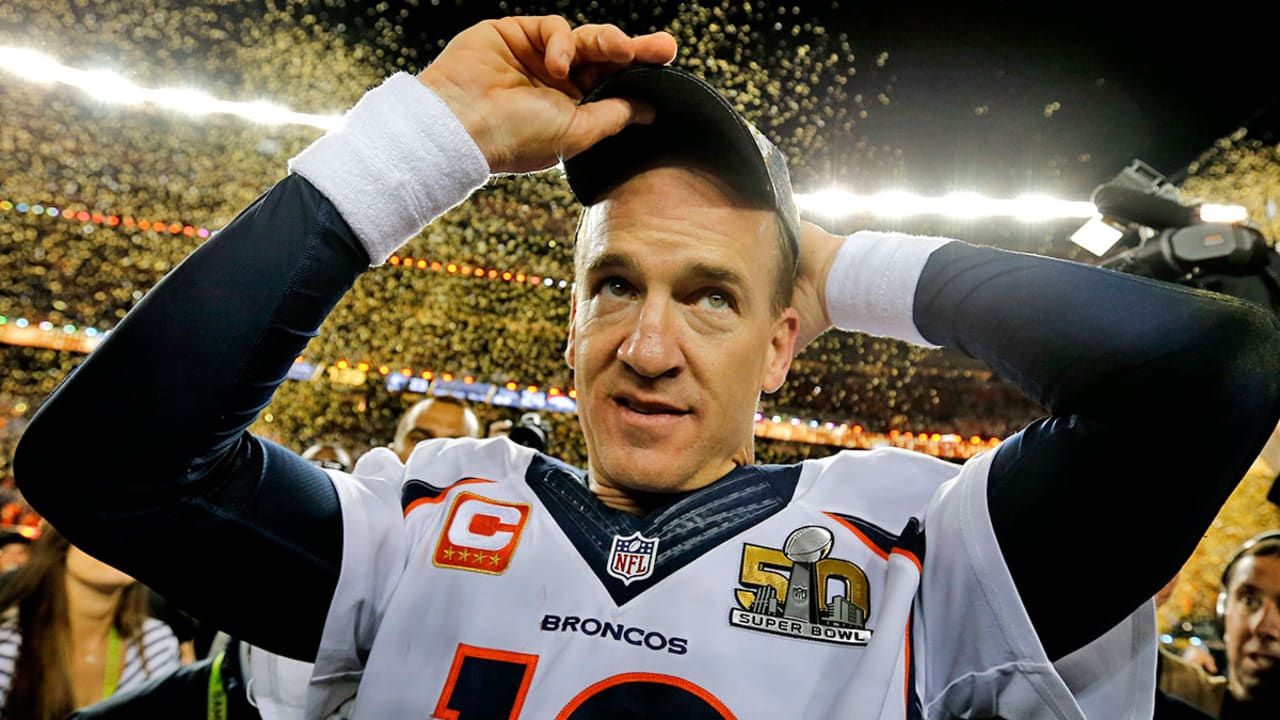
February 7, 2016: Peyton Manning's Redemptive Farewell

February 7, 2016: Super Bowl 50 -- I guess they didn't want to use the Roman numeral for this one, since "L" can also mean "Loss" -- is played at Levi's Stadium, home of the San Francisco 49ers, in suburban Santa Clara, California. (It might have been appropriate if the 49ers had won Super Bowl XLIX, but they didn't make the Playoffs.)

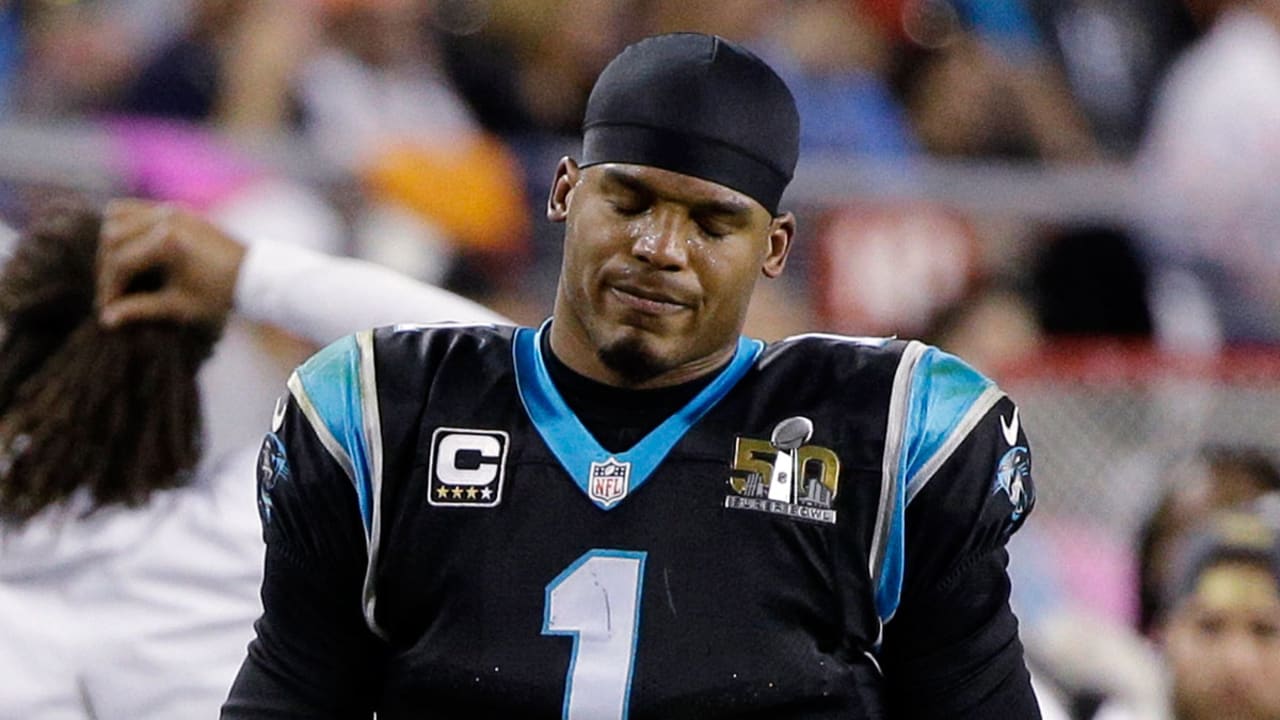
The Denver Broncos, who had lost the Super Bowl 2 years earlier, play the Carolina Panthers. It's an old master vs. a new jack: Peyton Manning, a few days short of turning 40 years old, and the oldest quarterback ever to start the game to that point, vs. Cam Newton, 26.

Only one quarterback had ever won NFL Championships with 2 different teams: Norm Van Brocklin with the 1951 Los Angeles Rams and the 1960 Philadelphia Eagles. And none had done it since the start of the Super Bowl in 1967.

Manning had led the Indianapolis Colts to win Super Bowl XLI, but lost Super Bowl XIV. Two years before this, he had led the Denver Broncos into Super Bowl XLVIII. For this, Sports Illustrated named him their Sportsman of the Year for 2013. But the Broncos, and Manning in particular, flopped, and they lost to the Seattle Seahawks.

In contract, this was the 1st Super Bowl for Newton, although it was the 2nd for the Panthers, who lost Super Bowl XXXVIII to the New England Patriots in 2004. Newton had reached the Super Bowl in his 5th NFL season. And he had already exceeding Manning in college football: In 2010, he had led Auburn University to the National Championship and won the Heisman Trophy; only in his senior year, 1997, did Manning even win a Southeastern Conference title, and he finished 2nd in the Heisman voting.

Ultimately, though, for quarterbacks, it is Super Bowls that matter. The Broncos got on the board first: Manning led them into field goal territory, and Brandon McManus kicked a 34-yarder. Later in the 1st quarter, with the ball on the Panthers' 15-yard line, Von Miller stripped the ball from Newton, and Malik Jackson recovered the ball in the end zone, giving the Broncos a 10–0 lead.

The Panthers recovered, and Newton led them down, and Jonathan Stewart ran the ball in from the 1, making it 10-7. But McManus kicked a 33-yard field goal to make it 13-7 Denver at halftime. The only score in the 3rd quarter was another field goal by McManus, 30 yards. In the 4th quarter, Graham Gano kicked a 39-yard field goal, to close the Panthers to within 16-10 with 10:21 to go. But Manning led another touchdown drive, completed by a 2-yard run by C.J. Anderson and a 2-point conversion, with 3:08 to go. The Broncos won, 24-10, for their 3rd title.

Newton completed 18 of 41 passes for 265 yards, and also had 45 yards rushing. Manning completed 13 of 23 for 141 yards. Each threw an interception, and neither threw a touchdown pass. Manning was not especially impressive in victory, and Miller received the game's Most Valuable Player award.

With 2 fumbles, Newton was blamed by many for losing the game. This was unfair. His receivers didn't exactly cover themselves with glory. Head coach Ron Rivera was calling the plays, and was totally outcoached by the Broncos' Mike Shanahan. What's more, the Broncos, especially Manning, were much more experienced. This game was won by the Broncos more than it was lost by the Panthers, or any personnel thereof.
Nevertheless, there was some irony: A man named Newton undone because his body stayed too long at rest, and fell victim to an outside force, then to gravity.

Manning retired, with 2 Super Bowl wins to his credit, just like his brother, Eli. Granted, Eli had won his against Tom Brady and the New England Patriots, while Peyton was known for losing to the Pats, especially in the Playoffs. But Peyton had won with 2 different teams, which had only been done before by Van Brocklin, and that was before the Super Bowl.

Newton was young, and looked like he would get another chance. He never got back to the Super Bowl, and threw his last NFL pass at age 32. He and Manning have both gone on to work for ESPN.

*

February 7, 2016 was a Sunday. Baseball was out of season. There were 4 games in the NBA:

* The New York Knicks lost to the Denver Nuggets, 101-96 at Madison Square Garden.

* The Boston Celtics beat the Sacramento Kings, 128-119 at the TD Garden in Boston.

* The Orlando Magic beat the Atlanta Hawks, 96-94 at the Amway Center (now the Kia Center) in Orlando.

* And the Los Angeles Clippers beat the Miami Heat, 100-93 at the American Airlines Arena (now the Kaseya Center) in Miami.

There were 3 games in the NHL:

* The New York Islanders beat the Edmonton Oilers, 8-1 at the Barclays Center.

* The Montreal Canadiens beat the Carolina Hurricanes, 2-1 at the Bell Centre in Montreal.

* And the Washington Capitals beat the Philadelphia Flyers, 3-2 at the Verizon Center (now the Capital One Arena) in Washington.

And in English soccer, North London team Arsenal beat AFC Bournemouth, 2-0 at the Vitality Stadium in Bournemouth, Dorset, in England's West Country. 

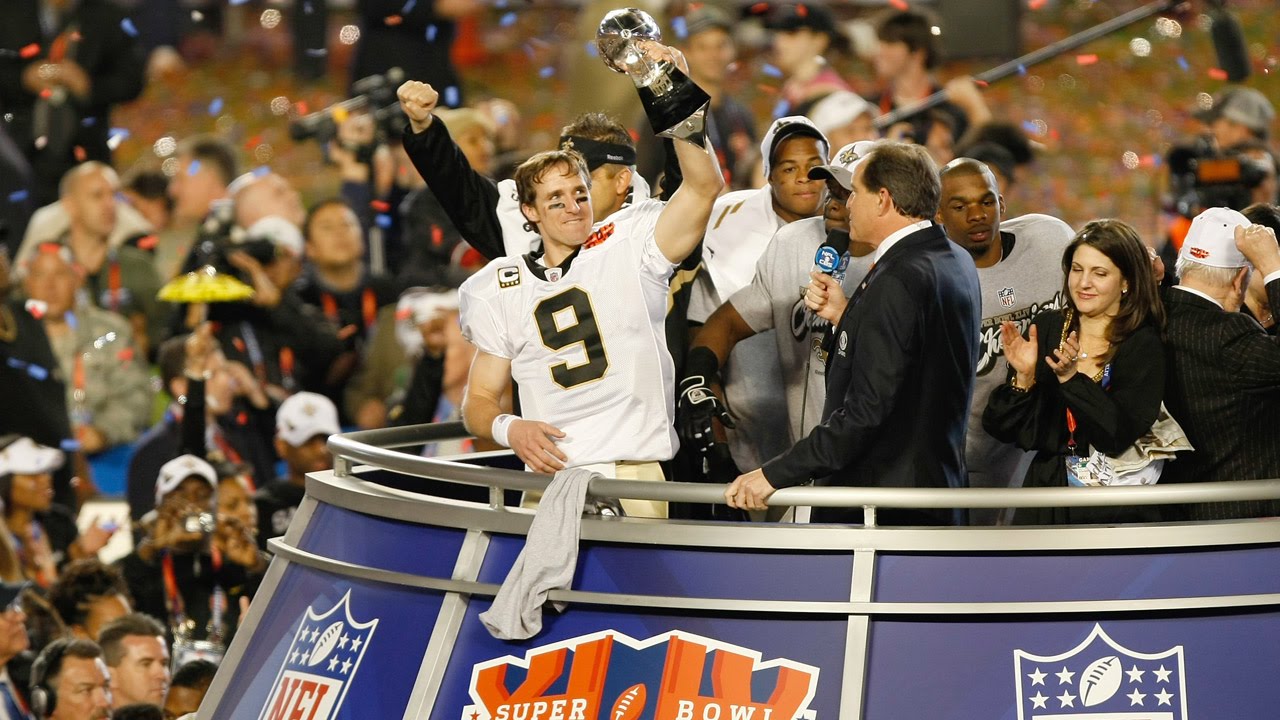
February 7, 2010: The Saints Win a Super Bowl for New Orleans

Drew Brees

February 7, 2010: Super Bowl XLIV is played at Sun Life Stadium (now Hard Rock Stadium) in Miami Gardens, Florida.

The City of New Orleans, Louisiana had hosted 9 Super Bowls to that point. But its team, the New Orleans Saints, had never played in one. Now, they would.

On August 29, 2005, Hurricane Katrina hit New Orleans, resulting in a broken levee that flooded the city, which was already below sea level. By nightfall, 80 percent of the Crescent City, and parts of neighboring areas, were flooded. Over 1,800 people were killed, and thousands were left homeless.

The Louisiana Superdome, home of the Saints, was used as a shelter, topping out at 26,000 people. But because of the nature of the emergency, getting relief supplies into the city was incredibly difficult.

As late as 1950, New Orleans' population was 660,000, putting it in America's top 20 cities. White flight led to a drop to about 484,000 people within the city limits in the 2000 Census. After Hurricane Katrina, it dropped to 230,000, losing over half its people in one fell swoop. According to a recent estimate, it's back up to about 391,000, making it larger than such NFL cities as Tampa, St. Louis, Pittsburgh, Cincinnati and Buffalo (and, of course, Green Bay).

But the metropolitan area has just 1.27 million people, making it the smallest metro area in the NFL, if Green Bay is included with Milwaukee and Niagara Falls is included with Buffalo. And the poverty issue, so pervasive before the hurricane, is worse. And crime is definitely an issue.

In 1940, the city was 70 percent white. As late as 1970, it was 51 percent white. By 1990, it was 62 percent black, and the proportions are roughly the same today: 61 percent black, 31 percent white, 5 percent Hispanic and 3 percent Asian. The further east you go, the greater the black percentage; the further west, the more white.

The Saints played their entire 2005 season on the road while the dome was refurbished. The Superdome reopened for the 2006 season, and the Saints provided a lift to the devastated city.

Under coach Sean Payton, the Saints were more popular than ever. They started the 2009 season 13-0, before dropping their last 3: 24-17 at home to the Dallas Cowboys, 20-17 in overtime at home to the Tampa Bay Buccaneers, and 23-10 away to the Carolina Panthers.

Maybe having clinched the NFC South Division early, earning them a bye week for the Wild Card Round, helped. Certainly, having home-field advantage all the way through the Playoffs did. In the Divisional Playoff, they beat the Arizona Cardinals 34-3. And in the NFC Championship Game, which they had reached only once before in their 42 previous seasons, they beat the Minnesota Vikings, 31-28. They were headed for the Super Bowl.

Their opponents would be the Indianapolis Colts, a perennial Playoff team, and Super Bowl winners just 3 seasons before. Ironically, their quarterback was from New Orleans: Peyton Manning, son of former Saints quarterback Archie Manning, who stayed in the city after his retirement as a player.

The Colts had gone 14-2 -- and they, too, had started on a long undefeated run before losing at the end, 29-15 at home to the New York Jets, and 30-7 away to the Buffalo Bills. But they also had home-field advantage all the way through, and beat the Baltimore Ravens 20-3, before avenging their loss to the Jets, 30-17.

Both teams played on artificial turf, under domes. The Colts would be playing in the same stadium, on the same natural grass field, on which they'd won Super Bowl XLI. That might not have been much of an advantage. The Colts went into the game favored by 5 points.

But there was a sense around the country that the Saints had more people rooting for them. Maybe it was because of the sympathy people felt for New Orleans after the hurricane. Or maybe it was because the Colts had won recently, while the Saints had never been to the big game before. Or, maybe people were just sick of Peyton Manning always being on TV, in games and in all those commercials. He advertised so many products, even Joe Namath, Reggie Jackson and Shaquille O'Neal must have thought he was overexposed.

At the age of 42, Matt Stover became the oldest man ever to play in a Super Bowl (a record since broken). He kicked a 38-yard field goal that put the Colts up, 3-0, midway through the 1st quarter. 

Toward the end of the quarter, Manning launched a 96-yard drive, tying the record for the longest in Super Bowl history. Joseph Addai accounted for 53 of those yards with his rushing. The last play was a 19-yard touchdown pass from Manning to Pierre Garçon. With a French name like that, people could have been excused for thinking he was from New Orleans. In fact, he was a local, having grown up in the suburbs of Miami, a black man of Haitian descent. The Saints led, 10-0.

The Saints got on the board with a 46-yard field goal from Garrett Hartley. He kicked a 44-yarder on the last play of the 1st half, and the teams went into the locker rooms with the score 10-6 in Indy's favor. The Colts had been the better team, but hadn't pulled away.

The Saints had won the opening coin toss, and chose to receive the ball. Which meant they had to kick off to start the 2nd half. But Sean Payton made the gutsiest coaching move in the history of NFL Championship Games. It would have been bold enough had he been winning, but, down by 4 points, it was huge. He called for an onside kick. Never before, in 43 Super Bowls, had an onside kick been attempted before the 4th quarter.

Thomas Morstead kicked the ball to his left. It went 15 yards -- it had to go at least 10 for the Saints to have a chance to recover it and keep it -- and it bounced off the facemask of Hank Baskett of the Colts, making it a free ball. It took the officials more than a minute to separate the pile of men on the ball. When they did, it was Jonathan Casillas who had it: Saints ball, on their own 42-yard line.

Saints quarterback Drew Brees threw 5 passes, all complete, for 58 yards, the last a 16-yarder to Pierre Thomas, for a go-ahead touchdown. (Nope, this Pierre wasn't from Louisiana, either: He was from the Chicago suburbs.) It was 13-10 New Orleans.

Manning shook it off, and led a 76-yard drive that ended with a 4-yard touchdown run by Addai. 17-13 Indianapolis. Hartley kicked a 47-yard field goal to make it 17-16, making him the 1st kicker to make 3 field goals of 40 or more yards in a single Super Bowl. As the 4th quarter began, Stover tried a 51-yard field goal, but missed.

Drew "breezed" through the Colts' defense on the next drive, ending with a 2-yard touchdown pass to Jeremy Shockey, the tight end whose bad behavior had gotten him exiled from the New York Giants. (Not that they cared much: They'd already won a Super Bowl without him, and with Manning's brother Eli, and would win another that way.)

Sean Payton made another gutsy call, and went for a 2-point conversion. Brees threw to Lance Moore, and the ball was knocked away from him by Jacob Lacey. The play was ruled an incomplete pass, but Payton challenged the call. The instant replay showed that he had possession in the end zone long enough, and it was 24-17 Saints, with 5:42 to go.

This was plenty of time for Peyton Manning, of course. And he got into Saint territory. But he was intercepted at the Saint 26 by Tracy Porter, and he took it to the house. Hartley's extra point made it 31-17 New Orleans.

The Colts still had 3:12 to go, plus all 3 of their 2nd half time-outs, plus the 2-minute warning. But now, they needed 2 touchdowns. They got to the Saints' 3-yard line, but, with a field goal offering them little help, they had to go for it on a 4th down, and couldn't do it. The Saints took over, and Brees knelt with the ball to run out the clock. He was named the game's Most Valuable Player.

The Saints were NFL Champions. New Orleans had a World Championship. Louisiana had a professional World Championship. In each case, it was the 1st. (The football team at Louisiana State University had won 3 National Championships, and has since won another. But this was the pros.)

It had been a little over 4 years since the hurricane, and it resulted in the biggest party in the history of America's greatest party city. For this game, and for all his charitable efforts, in New Orleans and elsewhere, Brees was named Sportsman of the Year for 2010 by Sports Illustrated.

In preparation for Super Bowl 50, 6 years later, Slate writer Justin Peters watched every Super Bowl over a 2-month period. He ranked Super Bowl XLIV the 5th-best -- behind XXII, XXXIV, XIII and XXIII -- saying, "Coming as it did five years after New Orleans was flooded in Hurricane Katrina, the Saints' victory actually mattered." (For the record, he named Super Bowl XII -- the 1st one I can remember watching -- as the worst game of the 1st 49.)

UPDATE: The Saints have a Ring of Honor. It does not include their only 2 retired numbers, both for Hall-of-Famers from very early in Saints history: 31, for running back Jim Taylor; and 81, for defensive end Doug Atkins. It does include 1970s quarterback Archie Manning, 1980s kicker Morten Andersen, 1980s linebackers Rickey Jackson and Sam Mills, 1990s offensive tackle Willie Roaf, 2000s defensive end Will Smith, 2000s and '10s guard Jahri Evans, and 1985-2018 team owner Tom Benson.

The Saints also have a team Hall of Fame. It includes:

* From the founding period, 1967 to 1979: Atkins, Manning, quarterback Billy Kilmer, receiver Danny Abramowicz, running back Tony Galbreath, tight end Henry Childs, guard Jake Kupp, defensive end Bob Pollard, defensive tackle Derland Moore, linebacker Jim Federspiel, cornerback Dave Whitsell, safety Tommy Myers, and kicker Tom Dempsey.

* From the 1980s: Benson, Andersen, Jackson, Johnson, Mills, general manager Jim Finks, head coach Jim Mora Sr., assistant coach Steve Sidwell; quarterback Bobby Hebert; running backs George Rogers, Dalton Hilliard and Rueben Mayes; receiver Eric Martin, tight end Hoby Brenner, centers John Hill and Joel Hilgenberg, offensive tackle Stan Brock, defensive ends Jim Wilks and Frank Warren, linebacker Pat Swilling, and safeties Dave Waymer and Brett Maxie.

* From the 1990s: Benson, Roaf, guard Jim Dombrowski, defensive ends Wayne Martin and Joe Johnson, defensive tackle LaRoi Glover, cornerback Tyrone Hughes, safety Sammy Knight.

* From the 2000s, but not the Super Bowl season: Quarterback Aaron Brooks, running back Deuce McAllister, receivers Joe Horn and Michael Lewis, and special teams player Fred McAfee.

* From their Super Bowl XLIV winners: Benson, Smith, Evans, quarterback Drew Brees; running backs Reggie Bush and Pierre Thomas; receivers Devery Henderson, Lance Moore and Marques Colston; guard Carl Nicks, linebacker Jonathan Vilma, cornerbacks Tracy Porter and Jabari Green, safety Roman Harper, and kicker John Carney -- but not yet head coach Jim Haslett.

Abramowicz, Manning, Andersen, Finks, Mora, Jackson, Johnson, Mills, Swilling, Hebert, Hilliard, Martin, Brees, Colston and Evans have also been inducted into the Louisiana Sports Hall of Fame.

*

February 7, 2010 was a Sunday. The Super Bowl was the only football game played that day. Baseball was out of season. There were 2 games played in the NBA. The Orlando Magic beat the Boston Celtics, 96-89 at the TD Garden in Boston. And the Toronto Raptors beat the Sacramento Kings, 115-104 at the Air Canada Centre (now the Scotiabank Arena) in Toronto. Chris Bosh scored 36 points for the Raps.

And there were 2 games played in the NHL. In an "Original Six" matchup, the Boston Bruins beat the Montreal Canadiens, 3-0 at the Bell Centre in Montreal. And the Washington Capitals beat the Pittsburgh Penguins, 5-4 at the Verizon Center (now the Capital One Arena) in Washington. Mike Knuble scored the winning goal, with 2:11 left in overtime.

Also, Arsenal lost to Chelsea, 2-0 at Stamford Bridge in West London.

Friday, February 4, 2022

February 4, 2007: Peyton Manning's Validation

February 4, 2007: Super Bowl XLI is played at Sun Life Stadium (now Hard Rock Stadium) in Miami Gardens, Florida. It remains the only Super Bowl ever played in rain, which fell throughout the game. The result was 8 turnovers, including 5 lost fumbles.

The Chicago Bears were in the big game for the 1st time since their dominant season of 1985-86. The Indianapolis Colts were in it for the 1st time since they were the Baltimore Colts, 36 years earlier.

Chicago and Indianapolis are the two closest cities, geographically, to ever play each other in a Super Bowl, separated by 182 miles, mostly of Interstate 65. Colts coach Tony Dungy, who won 2 Super Bowls as a Pittsburgh Steeler defensive back, joked that the game should be moved to Fort Wayne, Indiana. A better location, roughly halfway between the cities, would have been Ross-Ade Stadium in West Lafayette, home of Purdue University.

The hype was that it was a battle between the Bears' speedy rookie return man, Devin Hester, and the Colts' quarterback, Peyton Manning. Hester was going home: He was from Riviera Beach, Florida, and starred at the University of Miami, although he grew up as a Dallas Cowboys fan. He had returned 3 punts and 2 kickoffs for touchdowns, and had 1,128 total return yards.

Over 4 years at the University of Tennessee, Manning went 8-4, 11-1, 10-2 and 11-2. He won the Gator Bowl as a freshman, and won the Citrus Bowl as a sophomore and a junior. He finally led the Volunteers to the Southeastern Conference title in his senior year, 1997, but they lost the Orange Bowl, and thus a shot at the National Championship. All 4 seasons, Tennessee lost to Florida. To make matters worse for Manning, the next season, 1998, quarterback Tee Martin led them to the National Championship.

Manning was the Number 1 pick in the 1998 NFL Draft, and got the Colts to the Playoffs in only his 2nd season. But, just as he couldn't get the Vols all the way, especially past the Florida Gators, he couldn't get the Colts to the Super Bowl, with Tom Brady and the New England Patriots being particularly in the way. The Colts lost the 2003 AFC Championship Game and the 2004 AFC Divisional Playoff, to the Patriots. Manning was on the verge of becoming the most clutch-failing quarterback since Dan Marino.

Finally, in 2006, the Colts went 12-4, beat the Kansas City Chiefs and the Baltimore Ravens in the Playoffs, and, finally having home-field advantage for the AFC Championship Game, beat the Patriots, 38-34. One big reason the Colts did so well is that they'd signed the Patriots' great kicker, Adam Vinatieri, as a free agent.

The Bears were coached by Lovie Smith -- that's not a nickname, he was born Lovie Lee Smith -- who had been an All-American linebacker at the University of Tulsa. He never played in the pros, and went straight into coaching. When Dungy was the head coach of the Tampa Bay Buccaneers, Smith was his linebackers coach. This would be the 1st time both Super Bowl teams had a black head coach, so the winner would be the 1st black head coach to win an NFL Championship.

Hester returned the opening kickoff 92 yards for a touchdown. The Colts struck back when Manning threw a 53-yard touchdown pass to Reggie Wayne, but punter Hunter Smith fumbled the snap on the extra point, and Vinatieri missed the kick. It was 7-6 Colts, and there was already a feeling that this one point would end up mattering. Later in the 1st quarter, the Bears extended their lead to 14-6, when Rex Grossman threw a touchdown pass to Muhsin Muhammad.

The Colts took over, with their defense converting 3 Bears punts and a fumble into a touchdown run by Dominic Rhodes and 3 field goals by Vinatieri. It was 22-14 late in the 3rd quarter. But Robbie Gould kicked a field goal to bring the Bears to within 22-17 at the end of the 3rd quarter.

Vinatieri had also missed a field goal attempt just before halftime. The man had kicked 2 Super Bowl-winning field goals for the Pats, but would his 4 missed points make the difference against the Colts? No: With 11:44 to go, Grossman threw a pass that was intercepted by Kelvin Hayden, and returned 56 yards for a touchdown. Final score: Colts 29, Bears 17.

It was the 1st League Championship won by an Indiana-based team since the Indiana Pacers won the 1973 ABA title. It was the 1st World Championship won by an Indianapolis-based team, and the 1st title that could be called a "World Championship" won by an Indiana-based team since the Fort Wayne Pistons won back-to-back titles in the National Basketball League in 1944 and 1945.

For the Bears, it was more frustration: The NFL's founding franchise has won 9 NFL Championship Games, including Super Bowl XX, more than any team except the Green Bay Packers; but it was also their 5th loss in a title game. Through the 2021 season, they haven't won a title in 35 years, they've won just 1 title in 58 years, and only 2 titles in 75 years.

Manning had won the title that had previously eluded both him and his father, former New Orleans Saints quarterback Archie Manning. He had gotten the validation he needed: He was no longer a great quarterback who made great TV commercials but couldn't go all the way, either in college or the pros. He had won the title that had eluded Marino.

The next year, his brother, Eli Manning, would quarterback the New York Giants to a Super Bowl win over the Patriots. Two years after that, Peyton led the Colts back into the Super Bowl, but lost to the Saints. Two years after that, Eli led the Giants to another Super Bowl win over the Patriots. Two years after that, Peyton went to the Denver Broncos, losing a Super Bowl to the Seattle Seahawks. Two years after that, Peyton led the Broncos to win one over the Carolina Panthers, then retired.

The Colts have a Ring of Honor. From their founding era, before Manning, 1984 to 1997, they have inducted founding owner Robert Irsay, head coach Ted Marchibroda, quarterback Jim Harbaugh, running backs Eric Dickerson and Marshall Faulk, receiver Bill Brooks, and offensive tackle Chris Hinton. From Manning's early career, but before the Super Bowl win, they have inducted running back Edgerrin James.

From their Super Bowl XLI winners, they have inducted owner Jim Irsay, general manager Bill Polian, head coach Tony Dungy, quarterback Peyton Manning, receivers Marvin Harrison and Reggie Wayne, tight end Dallas Clark, center Jeff Saturday, offensive tackle Tarik Glenn, and defensive ends Dwight Freeney and Robert Mathis. They have also honored their fans, as "The 12th Man." Jim Irsay, Polian, Manning, Wayne, Clark, Saturday, Freeney and Mathis were also members of their team that lost Super Bowl XLIV.

The Irsays, Harbaugh, Hinton, Faulk, Dungy, Manning, Harrison and Wayne have also been inducted into the Indiana Sports Hall of Fame. So has Adam Vinatieri, whose kicking hurt the Colts for the New England Patriots, before the Patriots let him go and he was able to help the Colts. So has Mark Herrmann, the Colts' last starting quarterback in Baltimore and their 1st starting quarterback in Indianapolis, although it was mainly for his performance at Purdue University in West Lafayette, Indiana. So has Andrew Luck, the greatest Colt quarterback since Manning.

*

February 4, 2007 was, like all Super Bowl days, a Sunday. Baseball was out of season. There were 3 games in the NBA:

* The New Jersey Nets lost to the Atlanta Hawks, 101-99 in overtime at the Continental Airlines Arena at the Meadowlands. Joe Johnson scored 37 points for the Hawks.

* The Toronto Raptors beat the Los Angeles Clippers, 122-110 at the Air Canada Centre (now the Scotiabank Arena) in Toronto.

* And the Detroit Pistons beat the Cleveland Cavaliers, 90-78 at the Quicken Loans Arena (now the Rocket Arena) in Cleveland.

And there were 2 games in the NHL. The New York Islanders lost to the Washington Capitals, 2-1 at the Verizon Center (now the Capital One Arena) in Washington. And the Montreal Canadiens beat the Pittsburgh Penguins, 4-3 at the Bell Centre in Montreal. Sheldon Souray scored the winning goal with 2:59 left in overtime.

Wednesday, February 2, 2022

February 2, 2014: The Super Bowl In New Jersey

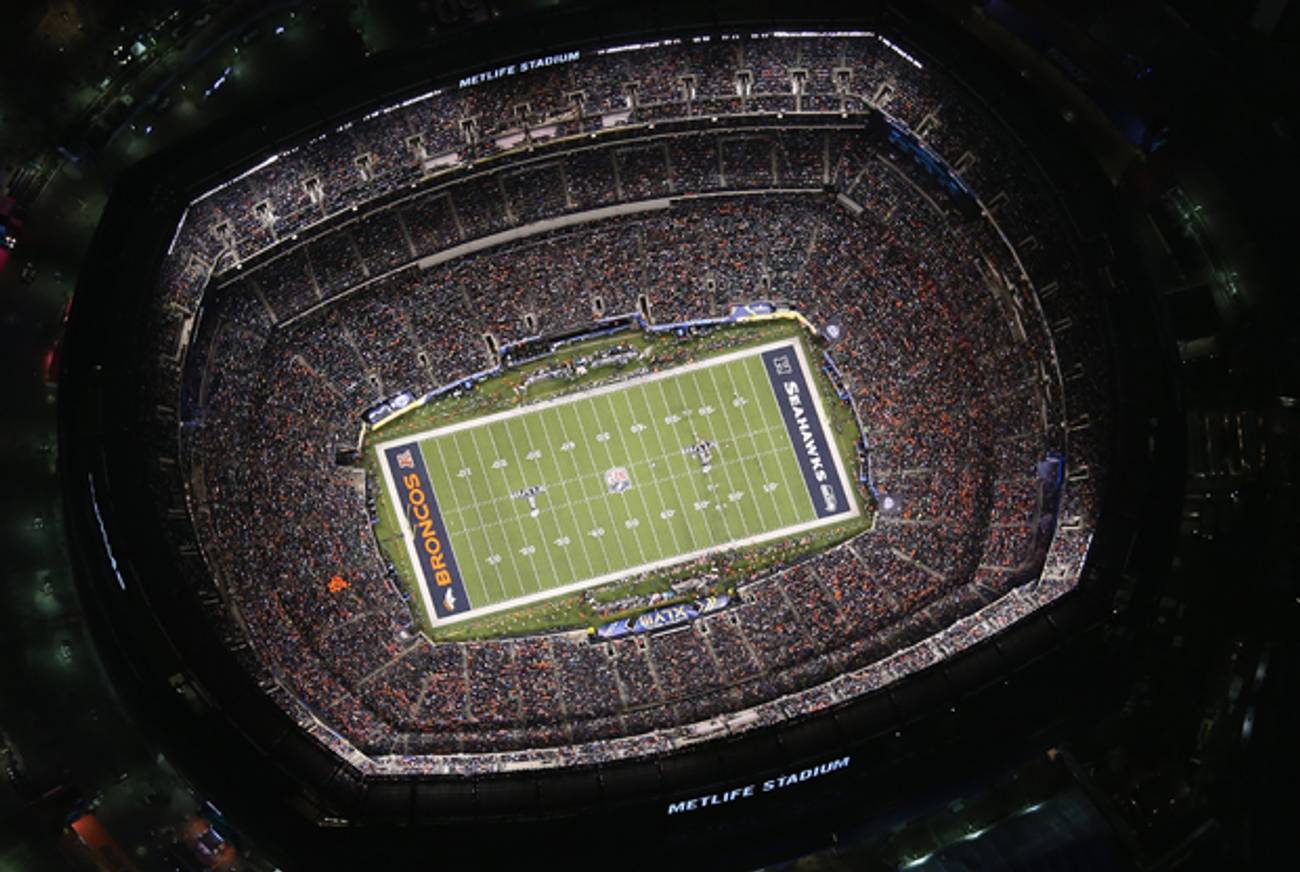
February 2, 2014: Super Bowl XLVIII is held at MetLife Stadium, at the Meadowlands Sports Complex in East Rutherford, Bergen County, New Jersey. It is not just the 1st time the NFL has held its championship game in the Garden State. It is the 1st the NFL Championship Game, under any name, has been played in the New York Tri-State Area in 51 years, since the 1962 season, when the Green Bay Packers beat the New York Giants at the original Yankee Stadium.

More than that, it is the 1st time the NFL has placed the Super Bowl, intended to be at a neutral site, in a cold-weather city whose stadium does not have a dome, risking not just cold weather, but snow.

Traditionally, the Super Bowl is played in a warm-weather city. Of the 47 previous games, 10 were in the Miami area, 10 were in New Orleans, 7 were in the Los Angeles area, 5 in Tampa, 3 in San Diego, 2 in Houston, and 1 each in Jacksonville, Phoenix and the San Francisco Bay Area.

And of the previous 47, 15 were under domes: 7 in New Orleans, 2 each in Atlanta and the Detroit area, and 1 each in Minneapolis, Houston, Dallas and Indianapolis.

Aside from the games in Detroit and Minneapolis, all under domes, the coldest Super Bowl had been Super Bowl VI, outdoors, at Tulane Stadium in New Orleans, 3 years before the Superdome opened: 39 degrees. (The Dallas Cowboys beat the Miami Dolphins, 24-3.)

For years, the NFL debated whether to put a Super Bowl in a cold-weather city without a dome, risking another "Ice Bowl" like the 1967 NFL Championship Game at Lambeau Field in Green Bay, Wisconsin. In 2005, the NFL voted to award New York the rights to host Super Bowl XLIV in 2010, dependent upon the planned West Side Stadium being finished by 2008. It would have had 75,000 seats and a retractable roof, and been home of MLB's New York Yankees and the NFL's New York Jets, and would have been the centerpiece of the 2012 Olympics.

But within a few months of this award, the International Olympic Committee awarded the 2012 Olympics to London. The U.S. Olympic Committee announced that the U.S. city that would bid for the 2016 Olympics would be Chicago. Shortly after that, the New York State government withdrew funding for the stadium, giving a whole new meaning to the term "political football."

And so, for only the 2nd time -- the 1st was when the NFL took Super Bowl XXVII away from Phoenix, following Arizona's refusal to recognize the Martin Luther King Day holiday, giving them Super Bowl XXX after a reversal -- the NFL took a Super Bowl away from a metropolitan area.

The Yankees then began negotiations for a new Yankee Stadium across 161st Street from the existing one. The Jets and the New York Giants began negotiating for a new stadium, next-door to Giants Stadium, at the Meadowlands, 7 miles west of Midtown Manhattan. Unlike Giants Stadium, which was owned by the New Jersey Sports and Exposition Authority (NJSEA), what became MetLife Stadium would be owned by the Giants and the Jets, 50/50.

No more would the NJSEA award favorable home dates to the Giants: The 2 teams would work together to decide who would host, and when. And no longer would taxpayer money fund the operations and maintenance of the stadium: Both teams' sets of fabulously wealthy owners would fund it out of their own bottomless pockets. The stadium opened on April 10, 2010. On May 26, 2010, 46 days later, the NFL awarded it Super Bowl XLVIII, to be held on February 2, 2014.

With 3 1/2 years of lag time, everyone wondered if it would be terribly cold, or windy, or snowy. Indeed, in the week leading up to the game, weather forecasts suggested that snow was a possibility for the day or the night.

But on the morning of the game, it looked like the snow would hold off until the next day. As it turned out, that's what happened. At kickoff, there was no precipitation, the field was perfectly dry, and the temperature was 48 degrees, not cold enough to produce snow. It didn't drop by much during the game, and no rain or snow fell.

Former Beatle Paul McCartney and English soccer legend David Beckham weren't at a Premier League game that weekend. Nor were they watching the England national play rugby at the Six Nations tournament, which was also in progress at the time. They were at the Super Bowl. I’m just sayin'.

The AFC Champions were the Denver Broncos, in their 7th Super Bowl, having won 2. John Fox was the head coach of a Super Bowl team for the 2nd time, having gotten the Carolina Panthers into Super Bowl XXXVIII, although they lost. He had also been an assistant for the Giants in Super Bowl XXXV, but they lost, as well.

Peyton Manning, having previously led the Indianapolis Colts to win Super Bowl XLI -- the only Super Bowl among the 1st 56 to get rained on, interestingly enough -- was seeking to become the 1st quarterback to lead 2 different teams to Super Bowl wins; and the 1st quarterback since Norm Van Brocklin, with the 1951 Los Angeles Rams and the 1960 Philadelphia Eagles, to lead 2 different teams to NFL Championships. Sports Illustrated had named Manning their Sportsman of the Year for 2013. Many viewers were expecting this Super Bowl to be something of a coronation for him, placing him on the level of Otto Graham, Johnny Unitas and Joe Montana for the title of "greatest quarterback of all time."

The NFC Champions were the Seattle Seahawks. An AFC team until the NFL's 2002 realignment, they had lost Super Bowl XL to the Pittsburgh Steelers, and, with stars such as quarterback Russell Wilson, running back Marshawn Lynch, and cornerback Richard Sherman, were seeking to win Seattle's 1st major league sports championship since the Seattle SuperSonics won the 1979 NBA Championship. (Unless you count the WNBA, where the Seattle Storm had already won the title in 2004 and 2010.) Pete Carroll, who had coached the University of Southern California to National Championships in 2003 and 2004, was looking to join Jimmy Johnson and Barry Switzer as only the 3rd coach to win both a National Championship and an NFL Championship. Both teams finished the regular season at 13-3.

At the time, in spite of his younger brother Eli Manning having quarterbacked the Giants to 2 upset wins over the New England Patriots, 6 and 2 Super Bowls earlier, Peyton was the most popular player in the NFL, due less to his performances than to his personality and TV commercials. In part because of him, the Broncos were 2-point favorites.

But on the game's 1st play from scrimmage, Peyton began calling signals out of the shotgun formation, and center Manny Ramirez -- making some people wonder if he'd been replaced by the weird-thinking, steroid-addled Boston Red Sox slugger of the same name -- sent the snap flying over Peyton's right shoulder, right into the end zone. Bronco running back Knowshon Moreno recovered the ball, but was touched, resulting in a rare game-opening safety. The Seahawks led, 2-0, just 12 seconds in, the fastest score in the history of NFL championship games, under any name.

That was the game, right there. The Broncos recovered just enough to hold the Seahawks to field goals by Stephen Hauschka on their 1st 2 drives, making the score 8-0. But Lynch ran for a touchdown, and then, Malcolm Smith ended all Denver hope by intercepting Manning, and returning it 69 yards for a touchdown. At the half, Seattle led, 22-0.

It got worse to start the 2nd half: Percy Harvin returned the kickoff 87 yards for a touchdown. And Wilson threw a 23-yard touchdown pass to Jermaine Kearse. It was 36-0, which remains the biggest shutout lead in Super Bowl history.

On the last play of the 3rd quarter, Manning threw a touchdown pass to Demaryius Thomas, and got the 2-point conversion. But a 10-yard pass from Wilson to Doug Baldwin made it 43-8 early in the 4th, and that would be the final score.
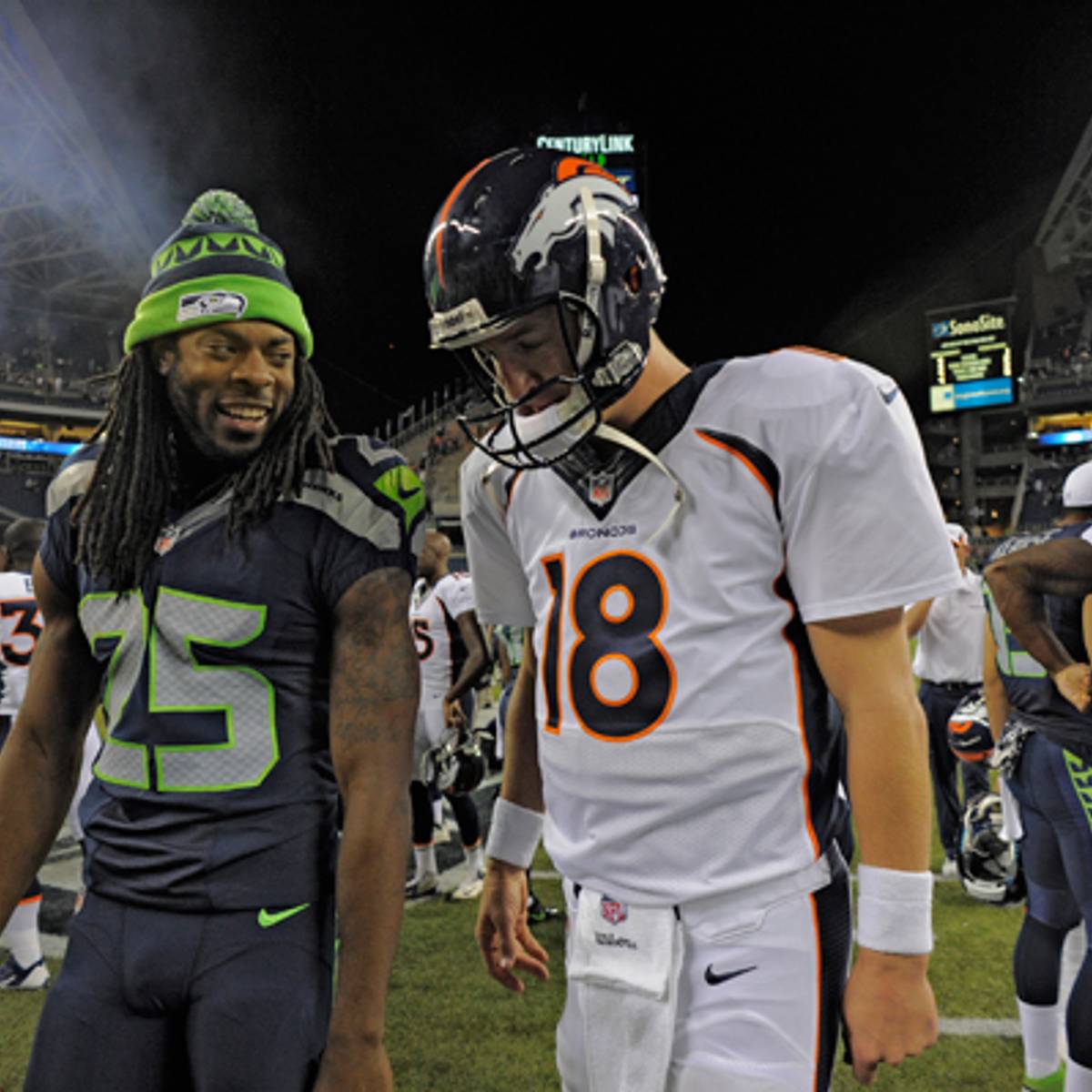
Richard Sherman (left) and Peyton Manning

The Broncos actually got more 1st downs, and had half as many penalties for less than half as many yards. Manning set a Super Bowl record with 34 pass completions, and Thomas one with 13 catches. But the Broncos turned the ball over 4 times, the Seahawks not at all, and so the Broncos lost by the equivalent of 5 touchdowns. The Seahawks had their 1st title.

Knowing that car traffic in and out of the Meadowlands Complex had been nightmarish since its 1976 opening, New Jersey Transit had built a rail spur from the Secaucus Junction train station to the stadium, to provide easier access from Manhattan, and rain additional trains to and from the game. But it turned out not to be enough trains, and NJT faced thousands of complaints about its service.

And while the snow held off on the calendar day of the game, it arrived in the middle of the night, dropping 8 inches of white stuff, causing about a quarter of the next day's flights out of Newark, John F. Kennedy and La Guardia Airports to be canceled, stranding thousands of people. Probably including lots of Bronco fans, who were already miserable.

The next year, the Seahawks were one yard away from back-to-back titles, but Carroll called a pass instead of a run, and they lost to the New England Patriots. The year after that, the Broncos won, beating Fox's former team, the Panthers. Manning then retired, going out a champion like a previous Bronco quarterback, by then the team's general manager, John Elway.

With Super Bowl sites having been chosen through the 2024 season, this will, at least through then, remain the only Super Bowl played in a cold-weather stadium without a dome.

*

February 2, 2014 was, of course, a Sunday. There were no other football games. Baseball was out of season. The NBA was smart enough to schedule only 1 game for the day, and it was a day game: The Boston Celtics beat the Orlando Magic, 96-89 at the TD Garden in Boston.

The NHL also avoided a TV ratings wipeout, by scheduling only 2 games, both in the afternoon. The Winnipeg Jets beat the Montreal Canadiens, 2-1 at the Bell Centre in Montreal. And the Washington Capitals beat the Detroit Red Wings, 6-5 at the Capital One Arena in Washington. Alexander Ovechkin scored the winning goal with 2:23 left in overtime.

But English soccer's Premier League stops for no man, and for no country. It does, of course, alter its schedule -- sorry, forgot to speak English there, its fixture list -- for the sake of British television, moving Saturday games to Sunday. On this Sunday, its games included Arsenal hosting South-East London team Crystal Palace at the Emirates Stadium in North London. Arsenal won, 2-0.

December 31, 1999 & January 1, 2000: The Millennium

December 31, 1999:  The Millennium arrives. The people of planet Earth survived. At a terrible cost. But we hadn't destroyed ourselves. ...