Sunday, May 1, 2022

May 1, 1965: Canadiens 13, Maple Leafs 12

Jean Béliveau with 2 of his closest friends

May 1, 1965: In the 1st NHL game to be played after April, the Montreal Canadiens win their 13th Stanley Cup, taking the all-time lead from the Toronto Maple Leafs, who had won their 12th the year before. They have never given that lead up. They beat the Chicago Black Hawks, 4-0, in Game 7 of the Finals at the Montreal Forum.

The first Conn Smythe Trophy for most valuable player of the Playoffs – the entire playoffs, unlike other sports where it’s given only to the MVP of the finals – is awarded in honor of the former head coach and general manager of the Maple Leafs, the very Canadian, and very English, World War I hero and World War II officer, Constantine Falkland Cary Smythe, who, though no longer in charge of the team, was still alive. (He lived until 1980.)

And it went to a player on the Montreal Canadiens. Their Captain. A native of Quebec City, the capital of the French-speaking Province in Canada, a man who did not speak English until he became a major leaguer. Joseph Jean Arthur Béliveau. Known as Jean Béliveau, he scored in this Game 7. So did former Maple Leaf Dick Duff; the very French "Roadrunner," Yvan Cournoyer; and Henri Richard, brother of the retired superstar Maurice "the Rocket" Richard, another proud Francophone, who would succeed Béliveau as Captain (and would, himself, be succeeded by Cournoyer).

This was not a good day to be a Maple Leafs fan -- especially Smythe. At least he did not have to hand over the Cup, or the new Trophy bearing his name. That was the duty of the President of the NHL, Clarence Campbell, a man often considered his subordinate.

Béliveau, Richard, Duff, Cournoyer, Jacques Laperrière, goaltender Lorne "Gump" Worsley, head coach Hector "Toe" Blake and general manager Frank Selke, are in the Hockey Hall of Fame. Béliveau went on to play on 10 Cup-winning teams, and lived until 2015.

The Canadiens would win the Cup again in 1966. In 1967, the Leafs would beat them in the Finals, cutting the deficit to 14-13. But the Leafs have not been back to the Finals since. They are stuck on 13 Stanley Cups. The Canadiens now have 24.

*

May 1, 1965 was a Saturday. These baseball games were played that day:

* The New York Yankees beat the Baltimore Orioles, 9-4 at Yankee Stadium. Whitey Ford was the winning pitcher. The losing pitcher was a former Yankee who managed to pitch a no-hitter for them, which was an achievement that eluded Ford. And it was a perfect game in the World Series. Yes, the losing pitcher was Don Larsen.

Tony Kubek hit a home run. Tom Tresh and Joe Pepitone each had 3 hits. Mickey Mantle went 0-for-1... with 3 walks, 1 with the bases loaded, giving him an RBI. For the Orioles, Brooks Robinson 2-for-4 with an RBI.

* The New York Mets lost to the Cincinnati Reds, 9-2 at Crosley Field in Cincinnati. Vada Pinson went 3-for-4 with a home run and 4 RBIs. Frank Robinson went 2-for-4 with an RBI. Pete Rose went 2-for-5 with an RBI.

* The Cleveland Indians beat the Washington Senators, 7-2 at Cleveland Municipal Stadium.

* The Detroit Tigers beat the Boston Red Sox, 9-8 at Tiger Stadium in Detroit.  Al Kaline went 2-for-4 with a walk and an RBI. Carl Yastrzemski went 2-for-4 with 2 RBIs.

* The Chicago White Sox beat the Minnesota Twins, 2-1 at Comiskey Park in Chicago. Harmon Killebrew went 0-for-4.

* The Milwaukee Braves beat the Philadelphia Phillies, 6-1 at Milwaukee County Stadium. Hank Aaron went 1-for-2 with a walk and an RBI.

* The St. Louis Cardinals beat the Pittsburgh Pirates, 3-2 at the 1st Busch Stadium (formerly known as the last Sportsman's Park) in St. Louis. Roberto Clemente went 0-for-4. Willie Stargell went 2-for-4 with a solo home run.

* The California Angels beat the Kansas City Athletics, 3-1 at Kansas City Municipal Stadium.

* The Houston Astros swept a doubleheader from the Chicago Cubs, 6-4 and 6-1 at the brand-new Astrodome in Houston. Over the 2 games, Ernie Banks went 2-for-8 with a home run and 3 RBIs.

* And the Los Angeles Dodgers beat their arch-rivals, the San Francisco Giants, 4-2 at Dodger Stadium in Los Angeles. Ron Fairly hit a home run. Willie Mays went 1-for-3 with a walk.

American football was out of season. The NBA season ended 6 days earlier, when the Boston Celtics beat the Los Angeles Lakers in the Finals.

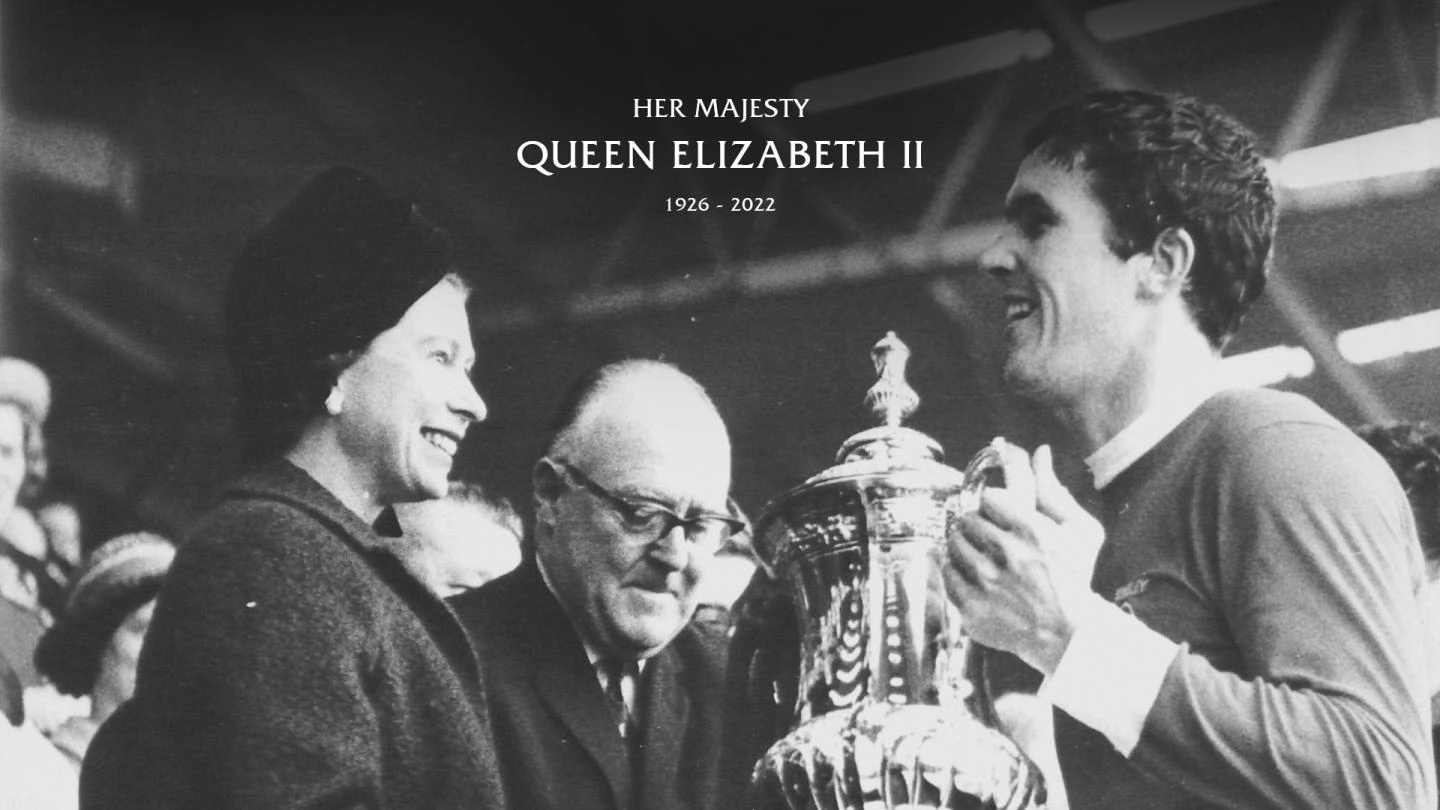
And the FA Cup Final was played at the old Wembley Stadium in London. Liverpool FC beat Leeds United AFC, 2-1. The Mersey Reds, under manager Bill Shankly, win the FA Cup for the 1st time. The game was scoreless after regulation, but Liverpool's Roger Hunt and Leeds' Billy Bremner traded goals in extra time, before Ian St. John wons it in the 113th minute. Liverpool captain Ron Yeats accepted the Cup from Queen Elizabeth II
Leeds thus did a "Runner-Up Double," finishing 2nd in the League and losing the FA Cup Final in the same year. While they do win some trophies in the 1960s and '70s, their pattern of being the era's "nearly men" has been set.

Leeds did, however, produce a notable first: Albert Johanneson, a left winger (in position, possibly also in politics) from South Africa, was the 1st black man to play in an FA Cup Final. By 1974, Bremner, as captain of both Leeds and Scotland, would seem to forget this, race-baiting the Zaire players at the World Cup.

May 1, 1962: Eusébio, the Sacred Monster, & The Curse of Béla Guttmann

Eusébio (left) and Mario Coluna

May 1, 1962: Sport Lisboa e Benfica, of Lisbon, Portugal, defeats Real Madrid, 5-3, to successfully defend the European Cup, at the Olympic Stadium in Amsterdam. Since the tournament began in 1955-56, Real Madrid (1956-60) and Benfica (1961-62) are the only clubs to have won it, a pattern that will be broken the next season by Italy's AC Milan.

Ferenc Puskás, the Hungarian "Galloping Major," and possibly the best player in the world for the last 10 years, scored a hat trick for Madrid, giving them a 3-2 lead. But a pair of geniuses from Portuguese East Africa, now Mozambique, are the heroes: Mario Coluna, a.k.a. O Monstro Sagrado (the Sacred Monster – what a great nickname!), ties the game; and Eusébio da Silva Ferreira (known universally by just his first name) scores 2 goals in 3 minutes to win it.

Béla Guttmann, Puskás' fellow Hungarian, managed Benfica to both of those European Cup wins. He rarely stayed at a club longer than two seasons, and was quoted as saying, "The third season is fatal."

After the 1962 title, he asked for a raise, didn't get it, and quit. Supposedly, he then said, "Not in a hundred years from now will Benfica ever be European Champions again." 
there is no documentary evidence on Guttmann saying anything related to a curse and that the first mention of such was in May 1988, by newspaper Gazeta dos Desportos, on the day of the 1988 European Cup Final, which Benfica lost to Dutch team PSV Eindhoven.

Supposedly, before the 1990 European Cup Final, played in Vienna, where Guttman had died in 1981, Eusébio reportedly prayed at Guttmann's grave, and asked for the curse to be broken. It didn't work: Benfica lost to AC Milan. In 2011, Eusébio gave an interview in which he said the story of Guttmann placing a curse on the team was a lie.

Not in 100 years? Through the 2012-22 season, 60 years, he remains right: Between the Champions League and the UEFA Cup/Europa League, they have lost their last 8 finals in European competition. Nevertheless, a statue of him now stands outside Benfica's Estádio da Luz (Stadium of Light).

*

May 1, 1962 was a Tuesday. These baseball games were played:

* The New York Yankees beat the Chicago White Sox, 6-1 at Comiskey Park in Chicago. Bill Stafford was the winning pitcher. Elston Howard hit a home run. Mickey Mantle went 0-for-3 with 2 walks. Roger Maris went 1-for-3 with 2 walks and an RBI. Yogi Berra did not play.

* The New York Mets lost to the Cincinnati Reds, 8-2 at the Polo Grounds. Joey Jay not only went the distance for the win, but helped his own cause with a home run. Frank Robinson went 1-for-3 with a walk.

* The Washington Senators beat the Boston Red Sox, 2-1 at District of Columbia Stadium (later Robert F. Kennedy Stadium) in Washington. Carl Yastrzemski went 0-for-3.

* The Los Angeles Angels beat the Cleveland Indians, 8-6 at Cleveland Municipal Stadium.

* The Minnesota Twins beat the Baltimore Orioles, 8-3 at Metropolitan Stadium in the Minneapolis suburb of Bloomington, Minnesota. Camilo Pascual, who had perhaps the best curveball in the American League while Sandy Koufax had the best one in the National League, not only went the distance for the win, but helped his own cause with a home run. Harmon Killebrew did not play. Brooks Robinson went 1-for-4.

* The St. Louis Cardinals beat the Houston Astros, 6-4 at the first Busch Stadium (formerly the last Sportsman's Park) in St. Louis.

* The Detroit Tigers beat the Kansas City Athletics, 3-2 at Kansas City Municipal Stadium. Vic Wertz singled Jake Wood and Al Kaline home in the top of the 10th inning. Jerry Lumpe -- a former Yankee described by manager Casey Stengel as, "He looks like the greatest player in the world, until you play him" -- hit a solo home run in the bottom of the 10th, but the A's couldn't find another run. Kaline had homered earlier in the game. Jim Bunning went all 10 innings for the win.

* The Los Angeles Dodgers beat the Chicago Cubs, 6-5 at Dodger Stadium in Los Angeles. The Cubs tied the game in the 8th inning. There was no further scoring until the 15th, when both teams scored 2 runs. Cliché Alert: Walks can kill you, especially the leadoff variety. Daryl Spencer led off the bottom of the 16th with a walk, and was singled to 2nd base by Willie Davis. They were both bunted over by former Yankee 3rd baseman Andy Carey, and Doug Camilli (son of former Brooklyn Dodger All-Star Dolph Camilli) singled Spencer home to win it.

Duke Snider went 1-for-6 with 2 walks. For the Cubs, Ernie Banks went 0-for-7, while George Altman went 4-for-7 with an RBI.

* The San Francisco Giants beat the Pittsburgh Pirates, 4-2 at Candlestick Park in San Francisco. Orlando Cepeda hit a home run. Willie Mays went 1-for-3 with a walk. Roberto Clemente went 1-for-4.

* And the Milwaukee Braves and the Philadelphia Phillies were supposed to play at Connie Mack Stadium in Philadelphia, but, according to Baseball-Reference.com, despite it being May, the game was postponed due to cold. It was made up as part of a doubleheader on July 20. The Braves won the opener, 7-5. The Phils won the nightcap, 3-2. Over the 2 games, Hank Aaron went 3-for-9 with a solo home run.

May 1, 1960: The U-2 Spy-Plane Incident

Gary Powers

Note: I must give credit, and say that this text is slightly adapted from Wikipedia's entry on the subject.

May 1, 1960: An American U-2 spy plane is shot down by the Soviet Air Defense Forces while performing photographic aerial reconnaissance, deep inside Soviet territory.

The single-seat aircraft was flown by Captain Francis Gary Powers, a Korean War veteran, now a pilot for the CIA. It was hit by an S-75 Dvina surface-to-air missile, and crashed near Sverdlovsk (the city now named Yekaterinburg). Powers ejected and parachuted to the ground safely, where he was subsequently captured by Soviet forces.

Initially, U.S. authorities acknowledged the incident as the loss of a civilian weather research aircraft operated by NASA. (They never said it was a "weather balloon," as it is widely remembered.) They were forced to admit the mission's true purpose a few days later, when the Soviet government presented the captured pilot and parts of the U-2's surveillance equipment, including photographs of Soviet military bases taken during the mission.

The incident occurred on May 1, or May Day, a holiday in the Soviet Union. It was around 2 weeks before the scheduled opening of an East-West summit in Paris, where President Dwight D. Eisenhower was going to meet with Soviet Premier Nikita Khrushchev. Khrushchev canceled the summit, and was able to claim a propaganda victory in the Cold War.

The U-2 Incident cast a shadow over the last year of the Eisenhower Presidency -- the Ike Age -- and the subsequent election of Senator John F. Kennedy over Eisenhower's Vice President, Richard Nixon, would have been next to impossible without it.

Powers was convicted of espionage. It was a show trial -- the Soviet Union specialized in those -- but he was unquestionably guilty, as the U.S. admitted. He was sentenced to 3 years of imprisonment, plus 7 years of hard labor. But he was released on February 10, 1962, after less than 2 years, in a prisoner exchange for Soviet intelligence officer Rudolf Abel. Powers became a helicopter pilot for a Los Angeles TV station, and was killed in a crash in 1977.

*

May 1, 1960 was a Sunday. Both the NBA and the NHL had completed their seasons, with the Boston Celtics and the Montreal Canadiens, respectively, surprising no one, again winning the titles. And the NFL was in its off-season.

In spite of it being Sunday, there wasn't even a full slate of games played in Major League Baseball. The Boston Red Sox were supposed to host the Washington Senators at Fenway Park, but it was rained out. It was rescheduled as part of a doubleheader on June 2, and the Senators swept it.

Most strangely, the Los Angeles Dodgers and the San Francisco Giants, who had played the previous 2 days at Candlestick Park in San Francisco, didn't play. There's no notation that the game was scheduled and then rescheduled.

I find it hard to believe that the Giants, who struggled for attendance in their entire Candlestick era (which had only begun a few days earlier), would willingly accept not having the revenue from a Sunday afternoon game, especially against their arch-rivals. I find it even harder to believe that Dodger owner Walter O'Malley, the personification of greed in baseball, would be willing to give up his share of the gate receipts.

This was in the interregnum between the move of the Dodgers and the Giants, and before the Mets began play, so the Yankees were then the only MLB team in the New York Tri-State Area.

* The New York Yankees lost to the Baltimore Orioles, 9-5 at Memorial Stadium in Baltimore. Elston Howard hit a home run, and he and Moose Skowron each had 3 hits. But starting pitcher Ralph Terry had nothing, allowing 2 runs in 2 innings; Bobby Shantz was worse, allowing 3 in less than 2; and John Gabler allowed 3 without even getting an out, blowing the lead and ending up as the losing pitcher. Chuck Estrada went the distance for the O's.

* The Cleveland Indians swept a doubleheader from the Kansas City Athletics at Cleveland Municipal Stadium. The Tribe won the 1st game 6-4, and the 2nd game 3-1.

* The Pittsburgh Pirates beat the Cincinnati Reds, 13-2 at Crosley Field in Cincinnati.

* The Chicago White Sox swept a doubleheader from the Detroit Tigers at Comiskey Park in Chicago. The South Siders won the 1st game 6-3, and the 2nd game 5-2.

* The Milwaukee Braves beat the Philadelphia Phillies, 5-4 at Milwaukee County Stadium.

* The Chicago Cubs beat the St. Louis Cardinals, 5-4 at Sportsman's Park in St. Louis. 

May 1, 1957: The 1st Shopping Mall Opens

May 1, 1957: Garden State Plaza opens, at the intersection of State Routes 17 and 4, in Paramus, Bergen County, New Jersey, 17 miles northwest of Midtown Manhattan. It was the first "shopping mall" as we now understand that term.

Its original 3 "anchor stores" were Bamberger's, Gimbel's and JCPenney. In 1987, Gimbel's went out of business, and Macy's, owners of the Bamberger's chain, phased them all out, rebannering them as Macy's stores. Today, there are still 3 anchor stores: Macy's, Neiman Marcus and Nordstrom.

It had a significant remodeling in 1981, and this was followed by new malls being built in the same style. Some were considered "upscale malls," like Bridgewater Commons in Somerset County. The other malls, in New Jersey and elsewhere, had to remodel to keep up with this, as well, with additional and more upscale anchor stores, expanded movie theaters and "food courts." Some of them closed their arcades, to discourage misbehaving teenagers. (This didn't work as well as they'd hoped.)

Despite Bergen County's "blue laws" prohibiting shopping on Sunday, and competitors following all over the New York Tri-State Area and all over the world, Garden State Plaza remains the definitive "Jersey mall." According to New Jersey Transit's schedules, it is about an hour's ride from Port Authority Bus Terminal on Bus 163.
Roosevelt Field opened before Garden State Plaza, on December 14, 1956, in Garden City, Town of Hempstead, Nassau County, New York, on the site of the airport of the same name, where Charles Lindbergh took off on his transatlantic flight on May 20, 1927. But it wasn't enclosed until 1968, so it doesn't get the credit for being "the first mall."

Some of the other suburban malls in the New York Tri-State Area, and their dates of opening (if I could find them):

* Bergen Town Center, also in Paramus, opening on November 14, 1957, 6 months after Garden State Plaza.
* Menlo Park Mall, Edison, Middlesex County, New Jersey, September 1959. In order to properly compete with newer malls, this one was demolished in 1990, and completely rebuilt, opening on September 27, 1991.
* Monmouth Mall, Eatontown, Monmouth County, New Jersey, March 1, 1960.
* The Mall at Short Hills, Millburn, Essex County, New Jersey, 1961.
* Walt Whitman Shops, Huntington, Suffolk County, New Jersey, November 23, 1962.
* Willowbrook Mall, Wayne, Passaic County, New Jersey, September 24, 1969.
* Brunswick Square, East Brunswick, Middlesex County, New Jersey, 1970. Growing up just down the hill from this mall, I spent too much time in it while growing up, and especially spent too many quarters in Fun-n-Games, its video arcade.
* Woodbridge Center, Woodbridge, Essex County, New Jersey, 1971.
* Livingston Mall, Livingston, Essex County, New Jersey, 1972.
* Sunrise Mall, Massapequa, Nassau County, New York, August 30, 1972.
* Staten Island Mall, in the New Springville neighborhood of Staten Island, Richmond County, New York (the only real "suburban mall" in New York City), August 9, 1973.
* Paramus Park, Paramus, March 14, 1974.
* Quaker Bridge Mall, Lawrence, Mercer County, New Jersey, 1975. "Quaker Bridge" has always been officially two words.
* Ocean County Mall, Toms River, Ocean County, New Jersey, July 20, 1976.
* Hudson Valley Mall, Ulster, Ulster County, New York, 1981.
* Danbury Fair, Danbury, Fairfield County, Connecticut, October 28, 1986. That's the day after the Mets won the World Series. In other words, the Mets haven't won the World Series since the place opened, on the site of the former Danbury Fair, an annual county fair.
* MarketFair Mall, West Windsor, Mercer County, New Jersey, 1987. It used to be known as Princeton MarketFair, but Princeton is a couple of miles away.
* Newport Centre, Jersey City, Hudson County, New Jersey, November 12, 1987.
* Bridgewater Commons, Bridgewater, Somerset County, New Jersey, February 26, 1988.
* Freehold Raceway Mall, Freehold Township (not to be confused with Freehold Borough, which it surrounds), Monmouth County, New Jersey, August 1, 1990.
* Palisades Center, West Nyack, Rockland County, New York, March 28, 1998.
* The Mills at Jersey Gardens, Elizabeth, Union County, October 21, 1999.

Various real estate companies tried to copy the suburban shopping experience in New York City. Examples include:

* Manhattan: The South Street Seaport, Manhattan Mall (across from Macy's headquarters store on Herald Square), East River Plaza, The Shops at Columbus Circle, and, most recently, The Shops & Restaurants at Hudson Yards.
* Bronx: Bronx Terminal Market.
* Brooklyn: Atlantic Terminal, Kings Plaza.
* Queens: Queens Center Mall, Queens Place, Rego Center.

The mall in the 1991 Seinfeld episode "The Parking Garage" was not identified in the script, but was inferred to be in North Jersey. It could have been Garden State Plaza.

*

May 1, 1957 was a Wednesday. Baseball was the only sport in season at the time, and these major league games were played that day:

* The New York Yankees beat the Detroit Tigers, 7-4 at Briggs Stadium in Detroit. (It was renamed Tiger Stadium in 1961.) Art Ditmar couldn't finish the 5th inning, and Tommy Byrne ended up as the winning pitcher. Tony Kubek hit a home run. Mickey Mantle went 2-for-3 with 2 walks. Al Kaline went 2-for-5 in a losing cause.

* The New York Giants lost to the Milwaukee Braves, 5-1 at the Polo Grounds. The Jints' bullpen melted down in the top of the 10th inning, including giving up an RBI single to Hank Aaron, and home runs to Frank Torre (Joe's brother) and old friend Bobby Thomson. Willie Mays went 1-for-4, and it was hardly enough, as Warren Spahn went all 10 innings for the Milwaukee win.

* The Brooklyn Dodgers beat the Chicago Cubs, 7-2 at Ebbets Field. Duke Snider, Charlie Neal and Gino Cimoli each got 2 hits in support of rookie Don Drysdale. The only home run of the game was hit by the Cubs' Ernie Banks.

* The Cincinnati Redlegs beat the Philadelphia Phillies, 8-6 at Connie Mack Stadium in Philadelphia. (From 1954 to 1958, the Reds bowed to anti-Communist pressure and used the name "Redlegs," until finally accepting that the Red-baiters were idiots.)

This game went 16 innings. Don Hoak hit a home run for Cincy, and Willie "Puddin' Head" Jones hit one for the Phils, both of them all the way back in the 2nd inning, and those were the only homers of the game. Hall-of-Famer Richie Ashburn went 0-for-7.

You're probably expecting me to say that both starting pitchers went all 16, but they didn't: Hal Jeffcoat of the Redlegs left in the 8th, and Curt Simmons of the Phillies left after 8. The Redlegs led 2-0 in the 2nd inning, 3-2 in the 3rd, 5-3 in the 8th, and 6-5 in the 13th, and blew them all. The Phils never led. 

Finally, in the top of the 16th, the Redlegs got a leadoff single from Roy McMillan, a pinch-hit single from Smoky Burgess, a sacrifice bunt from Johnny Temple, and a 2-RBI single from Wally Post. The winning pitcher was Warren Hacker.

* The St. Louis Cardinals beat the Pittsburgh Pirates, 9-2 at Forbes Field in Pittsburgh. Walker Cooper hit a home run for the Cards. Stan Musial went 2-for-5 with an RBI for them. Roberto Clemente went 2-for-4 for the Pirates.

* The Cleveland Indians beat the Washington Senators, 7-6 at Cleveland Municipal Stadium.

* The Chicago White Sox beat the Baltimore Orioles, 9-3 at Comiskey Park in Chicago.

* And the Kansas City Athletics beat the Boston Red Sox, 7-5 at Kansas City Municipal Stadium. Ted Williams hit a home run, but it wasn't enough to help the BoSox beat the A's. 

May 1, 1953: Arsenal Win In the Football League's Closest Finish

May 1, 1953: England's Football League Division One has its closest finish ever.

Arsenal Football Club, of North London, had dominated the League in the 1930s, winning 5 League titles and 2 FA Cups, with another season of being runner-up in both, in a 9-year stretch. World War II shut the League down, but in 1948, the 2nd full season after The War, Arsenal won the League again.

This was the 1st full season under manager Tom Whittaker. He had played for Arsenal in the 1920s, before the glory began. His career ended due to an injury, but it led directly to him tending to his former teammates' injuries as their physio -- or "trainer," as would be said in American sports. All through the glory years, managed by Herbert Chapman until his death in 1934, and then under George Allison, he kept them going.

When Allison stepped down in 1947, Whittaker was considered the natural choice to succeed him. He led them to the 1948 League title, and the 1950 FA Cup. He got them back to the FA Cup Final in 1952, ironically losing due to an injury, to Walley Barnes. English football did not allow substitutes until the 1968-69 season, largely due to Barnes' injury beginning a stretch of several Cup Finals that ended up being decided by injuries sending teams down to 10 men.

There was no European competition at the time. And Arsenal went out of the 1952-53 FA Cup in the Quarterfinal. But a strong run through January and February kept them close to the League lead. They stumbled a little in March, but picked up again in April.

Whittaker found a young gem in goalkeeper Jack Kelsey. Otherwise, it was a veteran team: Right back Joe Wade, left back Barnes; halfbacks Alex Forbes, Ray Daniel and team Captain Joe Mercer; and forwards Don Roper, Jimmy Logie, Peter Goring, Doug Lishman and Ben Marden. (Kelsey, Barnes and Daniel were Welsh. Forbes and Logie were Scottish. The rest of the starting lineup was English.)

By April 18, Arsenal were tied for 1st with Birmingham-area team Wolverhampton Wanderers, a.k.a. Wolves, with 2 games in hand. At a time when a win was 2 points, they had 3 games to go, and needed just 3 points -- a win and a draw -- to win the title.

But they faltered, with a 0-0 draw away to Welsh team Cardiff City on the 22nd, and then a 2-0 loss away to Lancashire team Preston North End on the 25th. Now, Arsenal and Preston were tied for the League lead with 1 game left to play, which gave Preston hope that they could still take the title. Wolves were out: They had finished their schedule, and were 1 point back.

On April 29, Preston played their game in hand, beating East Midlands team Derby County away, 1-0. This meant that Arsenal had to win their last game to take the title: Regardless of how many goals they won by, a win would give them 54 points, the same as Preston, and the title, based, on the rules of the time, on goal average. But a draw would leave them with 53, and a loss with 52.

Arsenal were taking a ragged, muddy pitch at the Arsenal Stadium, known as Highbury for its North London neighborhood, on May 1, a damp Friday night. It was moved back to this day, to avoid clashing with the FA Cup Final the next day. Their opponents were Lancashire team Burnley, who were in 5th place, and had held Arsenal to a 1-1 draw at Burnley's stadium, Turf Moor, the preceding December 13. So it was hardly a gimme for the Gunners.

A crowd of 51,586 was on hand. That might sound big to more recent fans, knowing Highbury's seating capacity as 38,000, but that was after it was converted to all-seater. The standing areas -- the North Bank and the southern Clock End -- were not full, possibly due to the weather, possibly due to the unfamiliarity of a Friday night match. But Lishman remembered those who had showed up being loud: "The crowd was at their best that night. The noise they made was unbelievable, it was really ear-piercing... However much the players and the fans were in conflict that season, I can't deny they were superb on that night."

The game kicked off at 6:00 PM. Just 6 minutes into the game, Burnley scored. Midway through the 1st half, Forbes and Lishman scored within minutes of each other to give Arsenal the lead. Logie scored just before the half to make it 3-1 to The Arsenal.

But the sky opened again, and it rained so hard that there was consideration of abandoning the game, and restarting it on another date. The 2nd half started anyway, and Burnley soon scored to make it 3-2. Logie and Goring both later admitted they found it difficult to move on the waterlogged pitch. Roper tore ligaments in his knee, and Mercer later said, "Playing in that match crocked me for good." (He had to be talked out of retirement, but broke his leg the next season, and never played again. He later managed Manchester City to the League title in 1968 and the FA Cup in 1969.)

Both Roper and Mercer kept playing through their injuries, so as not to reduce Arsenal's full complement of 11 men. The League would not allow substitutions, even for injury, until 1965. The only thing that seemed to be saving them is that Burnley were struggling with the awful playing surface as well.

The pressure got to manager Whittaker: He left the dugout, and retreated to his office, pouring himself a stiff drink. He may have been better off: Later in the game, a Burnley shot beat Kelsey and hit the crossbar. Later still, Burnley thought they should have been awarded a penalty, but they weren't. Finally, at 8:00, the referee blew his whistle, and the game was over, 3-2 to The Arsenal.

Arsenal were the Champions, having finished level on points with Preston, and having finished just 0.099 of a goal better than Preston. Under the current rules, the first tiebreaker would be goal difference. That would have given Arsenal a bigger cushion, +33 to +25.

And so, in a 24-year stretch -- 17 seasons, taking out the war-affected seasons -- Arsenal had won the League 7 times, and the Cup 3 times. No other team in England had done so well over that stretch. But the run took a lot out of them. Aside from Kelsey, it was an aging team, and most of them never won another trophy as a player.

Whittaker died of a heart attack in 1956, still the Arsenal manager. There are those who believe that he had more than just the one stiff drink that night, and that he might well have set himself on a path to death at age 58.

Replacing Whittaker and the players proved difficult, and the 1953 League title turned out to be Arsenal’s last trophy for 17 years. A month later, Queen Elizabeth II was crowned, and, after Arsenal lost the League Cup Final in 1968 and again in 1969, the line became "Arsenal haven't won a trophy since the Coronation." They won 3 over the next 2 seasons.

*

May 1, 1953 was a Friday. The following day, the FA Cup Final was held at Wembley Stadium in West London, and Lancashire team Blackpool beat Manchester-area team Bolton Wanderers, 4-3. That was also the day of the Kentucky Derby, and Dark Star beat Northern Dancer. It was the only loss of Northern Dancer's career: He went on to win the Preakness Stakes and the Belmont Stakes.

Football, basketball and hockey were out of season. These baseball games were played that Friday:

* The New York Yankees lost to the Chicago White Sox, 6-5 at Comiskey Park in Chicago. Billy Pierce outpitched Johnny Sain. Mickey Mantle went 0-for-3 with 2 walks.

* The New York Giants lost to the St. Louis Cardinals, 3-2 at the Polo Grounds. Stan Musial went 2-for-4 with an RBI. Willie Mays was serving in the Korean War, and unavailable for the Giants.

* The Brooklyn Dodgers beat the Chicago Cubs, 6-5 at Ebbets Field. The Cubs scored 3 runs in the top of the 8th, but the Dodgers scored 4 in the bottom of the 8th, including a home run by Pee Wee Reese. Jackie Robinson did not play.

* The Milwaukee Braves beat the Philadelphia Phillies, 5-2 at Connie Mack Stadium in Philadelphia.

* The Pittsburgh Pirates beat the Cincinnati Reds, 8-3 at Forbes Field in Pittsburgh.

* The Boston Red Sox beat the Cleveland Indians, 8-1 at Cleveland Municipal Stadium. Ted Williams was serving in the Korean War, and unavailable for the Red Sox.

* The Detroit Tigers beat the Philadelphia Athletics, 7-3 at Briggs Stadium (later Tiger Stadium) in Detroit.)

* And the Washington Senators beat the St. Louis Browns, 6-5 at Sportsman's Park in St. Louis, which had just been renamed Busch Stadium.

May 1, 1947: The Portella della Ginestra Massacre

May 1, 1947: Separatist leader Salvatore Giuliano and his men shoot 38 people, killing 11, during May Day celebrations in Sicily. It is known as the Portella della Ginestra Massacre.

Giuliano was born in 1922 in Montelepre, a rural village in Sicily. In 1943, following the Allied invasion of Sicily, he became an outlaw, after shooting and killing a police officer who tried to arrest him for black market food smuggling, at a time when 70 per cent of Sicily's food supply was provided by the black market.

He maintained a band of subordinates for most of his career. He was a flamboyant, high-profile criminal, attacking the police at least as often as they sought him. In addition, he was a local power-broker in Sicilian politics between 1945 and 1948, including his role as a nominal colonel for the Movement for the Independence of Sicily. It might have seemed like a good idea when Benito Mussolini and his Fascists were in charge of Italy as a whole, but, following Mussolini's execution in 1945, Italy remaining united was the best thing for the country.

Giuliano and his band were held legally responsible for the Portella dell Ginestra Massacre, though there is some doubt about their role in the numerous deaths which occurred. The widespread international press coverage he attracted made him an embarrassment to the Italian government, and throughout his banditry, up to 2,000 police and soldiers were deployed against him.

Giuliano was called "the people's bandit," and was the first such figure to be covered in real time by modern mass media. He had the looks of a Rudolf Valentino, but the ruthlessness of a Lucky Luciano. He was less a Robin Hood, more a Pancho Villa -- or, perhaps more accurately, a cross between Lenin and John Dillinger. He was assassinated on July 5, 1950, in Castelvetrano, Sicily, dead at age 27. No great loss.

*

May 1, 1947 was a Thursday. There were only 3 scores on this day, all in Major League Baseball:

* The New York Giants beat the St. Louis Cardinals, 6-5 at the Polo Grounds. Johnny Mize hit a home run. Stan Musial went 2-for-5 with an RBI.

* The Brooklyn Dodgers beat the Chicago Cubs, 5-2 at Ebbets Field. Jackie Robinson went 1-for-4 with an RBI.

* And the St. Louis Browns beat the Washington Senators, 14-5 at Sportsman's Park in St. Louis.

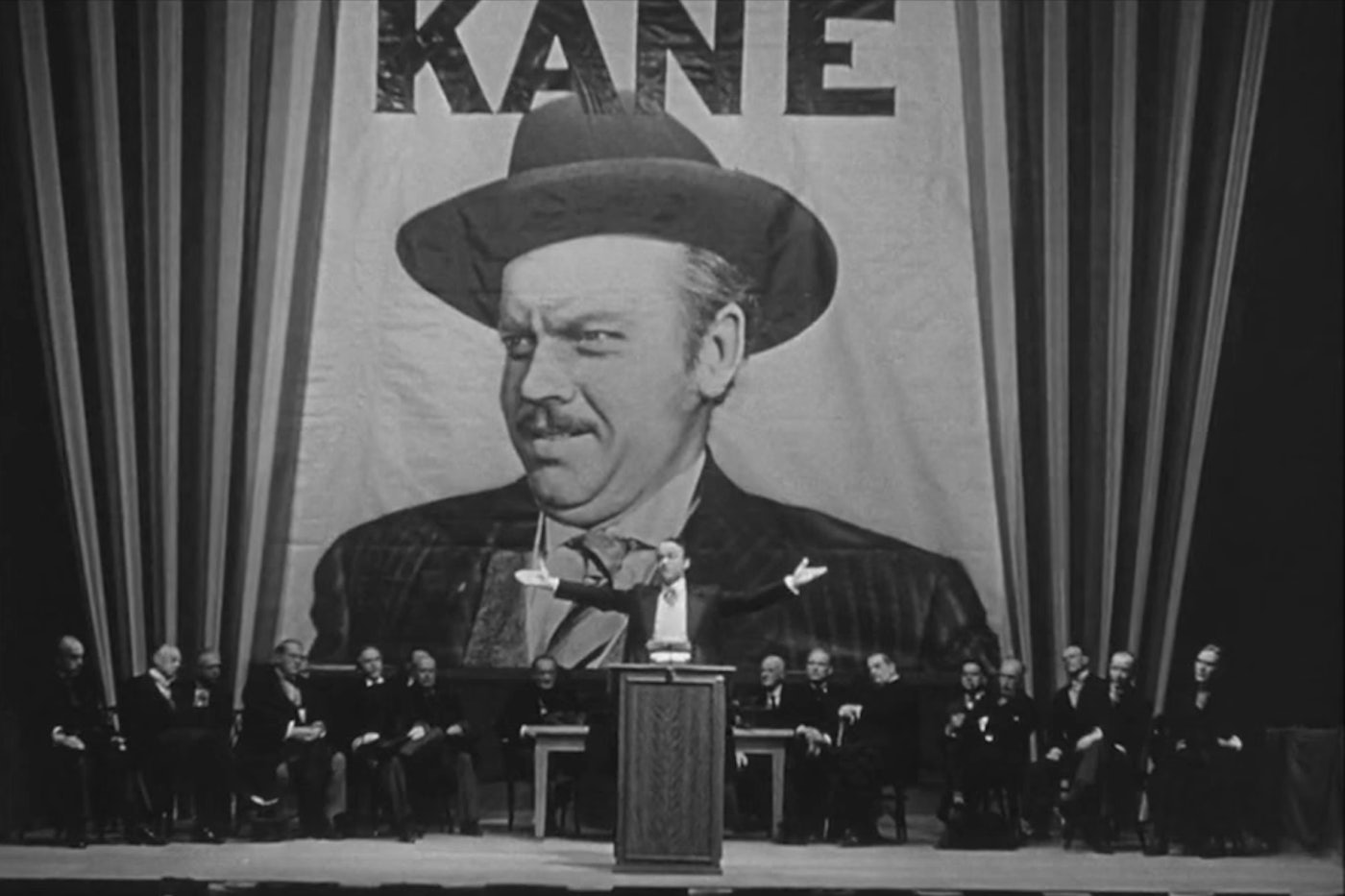
May 1, 1941: "Citizen Kane" Premieres

Welles, 25, as Kane, 53, in 1916

May 1, 1941: The film Citizen Kane premieres in New York, at the Palace Theatre at 1564 Broadway at 47th Street. Orson Welles, a few days short of his 26th birthday, and 2 1/2 years past his famous War of the Worlds national broadcast over CBS radio, is the film's star, its director, its producer, and co-writer of its screenplay along with Herman Mankiewicz. Bernard Herrmann wrote and conducted the music for it.

Welles plays Charles Foster Kane, a newspaper magnate who starts his career as a liberal crusader, but is corrupted, piece by piece, until he loses everything he cares about, except his fame. You might say that Kane spends the movie breaking bad.

Actually -- Spoiler Alert for an 81-year-old movie -- Kane begins the movie by dying, saying one word: "Rosebud." A newsreel gives the details of Kane's life, starting in Colorado in 1863, where he inherited a gold mine that makes him fabulously wealthy. He gets full title to it as he grows up, and buys a newspaper.

The man who acted as his legal guardian, and now manages his finances, doesn't like how Kane is using the newspaper, and tells him that he lost a million dollars last year (1893 -- about $31 million in today's money). Kane says, "At the rate I'm going, I'm going to have to close this paper down in about 60 years."
Welles, 25, as Kane, 30, in 1893,
delivering that classic line

He starts out with good intentions; a good friend, Jedediah Leland, played by Joseph Cotten; a good business manager for his paper, Mr. Bernstein, played by Everett Sloane; and a good wife, Emily, niece of a President, played by Ruth Warrick. It was Warrick's 1st film, but Cotten and Sloane had previously worked with Welles on radio with his Mercury Theatre of the Air.

But his desire to sell more newspapers, even after his New York Inquirer becomes the biggest-selling paper in the country, is insatiable. He uses his paper to start the Spanish-American War in 1898, which in turns helps him sell more papers than ever, and he doesn't seem to care about the cost.

Kane runs for Governor of New York in 1916, promising to crack down on the corrupt Tammany Hall political machine -- meaning the Democratic Party, meaning Kane is running as a Republican. In real life, Woodrow Wilson was re-elected President that year, but by a very slim margin, with no "coattails," and the Governor, a Republican named Charles S. Whitman, was re-elected. But Kane loses, because his affair with a showgirl is exposed. He never runs for office again.

He divorces Emily, and marries the showgirl, Susan Alexander, played by Dorothy Comingore. She ends up hating him as much as Emily did. He loses a big chunk of his fortune in the stock market crash of 1929. Soon, he's all alone in his castle on his estate in Florida, with all the expensive stuff he's collected over the years.
Welles, 25, as Kane, 70, in 1933

As Mr. Bernstein told the reporter investigating Kane's last word, "Mr. Kane was a man who lost everything he had. Perhaps 'Rosebud' was something he lost." He proves to have come closer than anybody else to getting it right: In the film's last scene, after the reporter has given up, workmen are seen tossing some things into a furnace. One is the sled he had as a child, with the name "ROSEBUD" on it. That sled represented the life had before he got rich and things got complicated.

*

Citizen Kane is regarded as one of the greatest movies ever made. The camera tricks and editing tricks that Welles and editor Robert Wise used were groundbreaking -- sometimes literally, as holes were cut in the soundstage floor to get some shots.

But it wasn't regarded as a great film at first. In fact, it tanked. Why? Because William Randolph Hearst, a real-life media baron, thought it hit too close to home. Kane used three names, was wealthy through his family's mining fortune, bought a struggling newspaper, turned it into a media empire, used it to egg the federal government on into starting the Spanish-American War, became an isolationist in the run-ups to World Wars I and II, built a castle full of his weird art collections and even had a zoo on the property, ended up deeply in debt, and ended his first marriage with an affair with an actress -- the joke, never proven, was that Hearst called a certain part of Marion Davies' anatomy "Rosebud."

There were, of course, significant differences. The Hearst family was already rich when he was born, he started across the country in San Francisco before moving east to New York (with the Journal), he actually won an election (3, in fact, for the U.S. House of Representatives, but never got closer to the Presidency than that), his castle was in California instead of Florida; and, of course, Hearst was still alive, if mortgaged up to his eyeballs in order to preserve his wealth.

And he used that wealth and influence to stop Citizen Kane. He told the theater chain he owned not to screen it. He told the newspapers and radio stations he owned to give it bad reviews. His wishes were carried out.

When the 1942 Academy Award nominations when out, Citizen Kane got 9 of them. But when the Awards were announced, it got only one "Oscar," to Welles and Mankiewicz, for Best Screenplay. Best Picture went to How Green Was My Valley. A dumb choice: The other nominees included Here Comes Mr. Jordan, Hold Back the Dawn, The Little Foxes, The Maltese Falcon, Sergeant York and Suspicion, so there were plenty of good choices, and Citizen Kane never had a chance.

For Best Actor, Welles was up against Cary Grant for Penny Serenade, Walter Huston for All That Money Can Buy, Robert Montgomery for Here Comes Mr. Jordan, and Gary Cooper, who won for playing Sergeant York. Also a tough category, and I can't blame the Academy for picking someone other than Welles.

Welles, directing a film for the 1st time, was also up against some heavyweights for Best Director: Alexander Hall for Here Comes Mr. Jordan, William Wyler for The Little Foxes, Howard Hawks for Sergeant York, and John Ford, who ended up winning, for How Green Was My Valley. Ford was worthy of several considerations for Best Director, but this was not one of them. Here, Welles got robbed, and if you think Hearst had nothing to do with influencing the Academy's vote, I've got bridges in both New York and San Francisco to sell you.

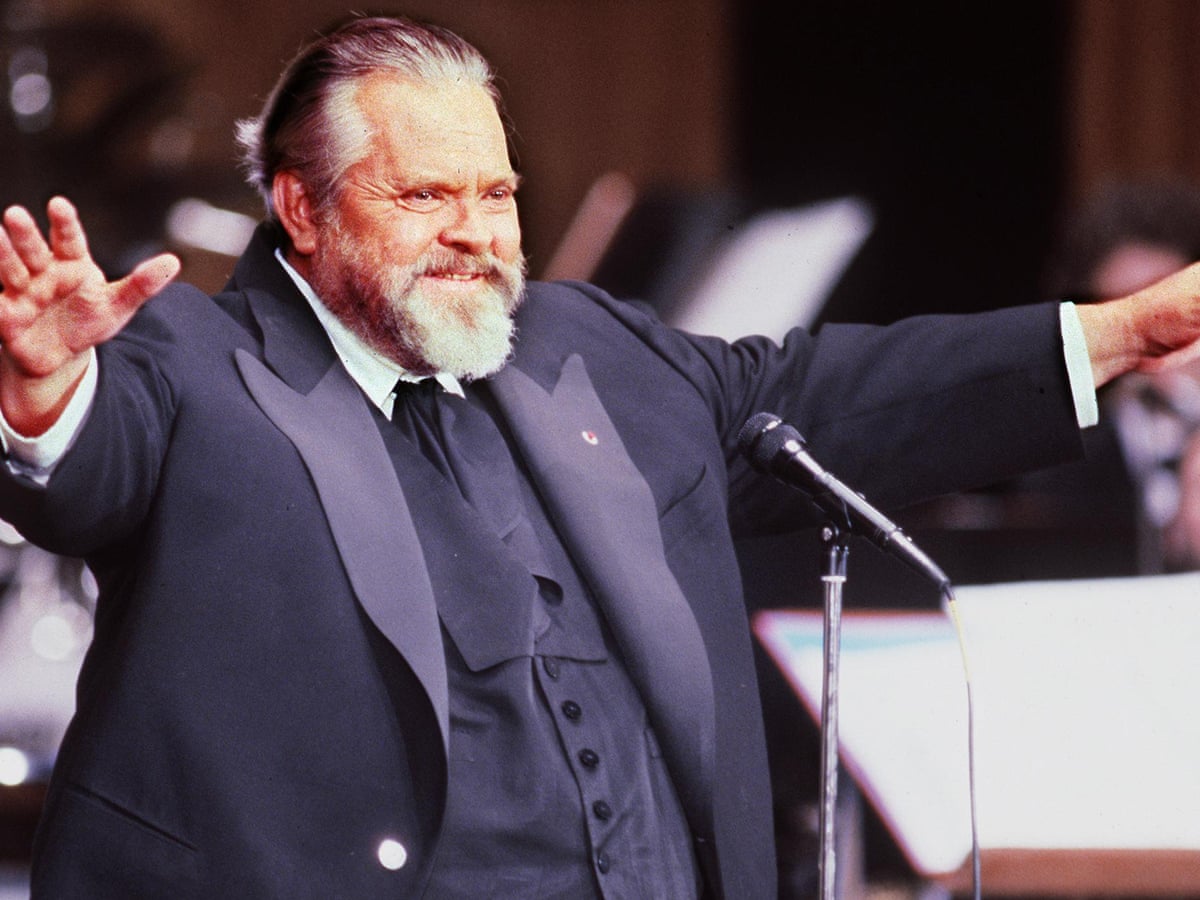
Hearst died in 1951. By that point, Welles was thoroughly discredited, and began putting on so much weight, he was heavier than he appeared to be when playing the older Kane. He kept acting, because he needed the money, but rarely directed again.
By 1974, when the name Hearst was more associated with William Randolph's troubled granddaughter Patty, Welles was better known for appearing on late-night talk shows, chatting about Hollywood with the hosts, performing magic tricks with them, and doing commercials for Paul Masson wine. However, he was now recognized as the genius behind Citizen Kane.

He died in 1985, age 70, by which point, for those people who knew the name William Randolph Hearst at all, they knew him as the fraud behind "yellow journalism" and the Spanish-America War, whose ego was so fragile he tried to destroy "the greatest movie ever made."

*

May 1, 1941 was a Thursday. It was also the day that General Mills introduced the cereal Cheerios.

It was the off-season for the NFL. The NHL season had ended the month before. The NBA hadn't been founded yet. But there were Major League Baseball games played on the day:

* The New York Yankees beat the St. Louis Browns, 14-5 at Sportsman's Park in St. Louis. Charlie "King Kong" Keller hit a home run in support of pitcher Ernie "Tiny" Bonham. Joe DiMaggio got a hit. The Yankees were struggling, in 4th place. Two weeks later, DiMaggio's 56-game hitting streak began, and the Yankees were on their way to running away with the Pennant.

* The Brooklyn Dodgers lost to the Cincinnati Reds, 2-1 at Ebbets Field. The defending World Champion Reds won in the 11th inning on a single by Eddie Joost. In spite of this loss, the Dodgers would dethrone them as National League Champions, before losing to the Yankees in the World Series.

* The New York Giants lost to the St. Louis Cardinals, 5-0 at the Polo Grounds. Lon Warneke, "the Arkansas Hummingbird," allowed 9 hits, but still pitched a shutout to defeat "King" Carl Hubbell.

* The Pittsburgh Pirates beat the Philadelphia Phillies, 15-2 at Shibe Park in Philadelphia.

* The Cleveland Indians beat the Philadelphia Athletics, 13-9 at League Park in Cleveland.

* The Boston Red Sox beat the Detroit Tigers, 15-9 at Briggs Stadium in Detroit. (It would be renamed Tiger Stadium in 1961.) 

* The Washington Senators beat the Chicago White Sox, 7-0 at Comiskey Park in Chicago. Dutch Leonard allowed 8 hits, but pitched a shutout.

* And a game at Braves Field in Boston was rained out, and rescheduled for June 8. The Chicago Cubs beat the Boston Braves, 5-1. 

December 31, 1999 & January 1, 2000: The Millennium

December 31, 1999:  The Millennium arrives. The people of planet Earth survived. At a terrible cost. But we hadn't destroyed ourselves. ...